
15 Free Mushroom Coloring Pages (PDF Printables)
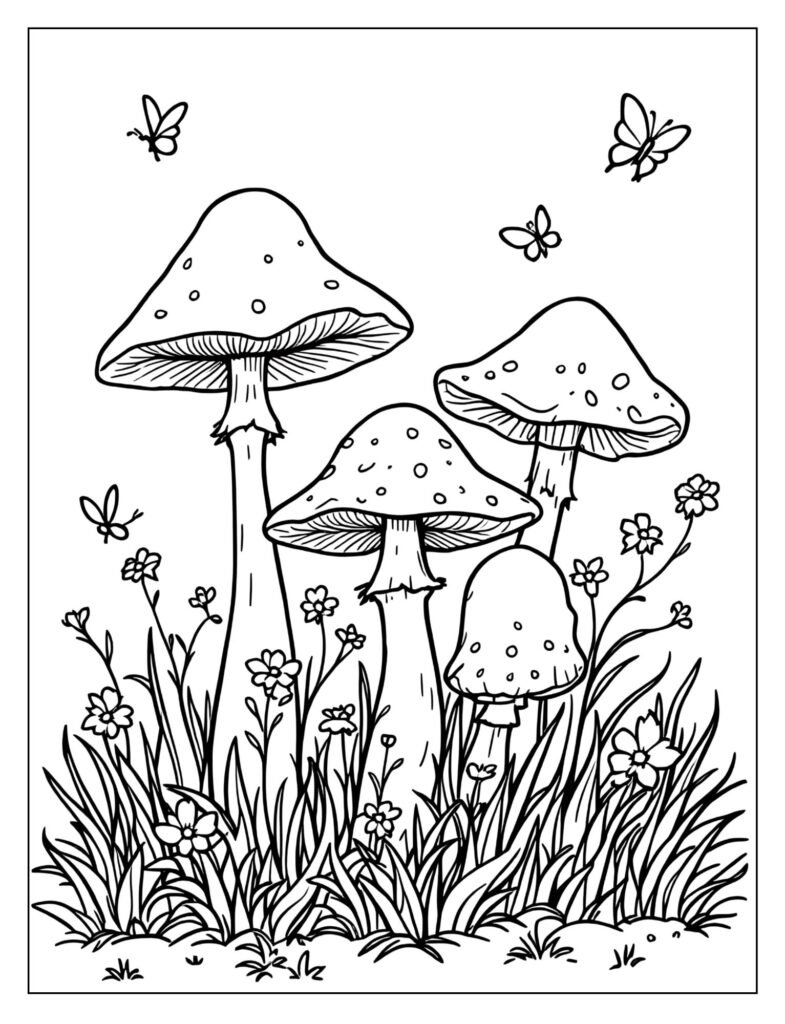
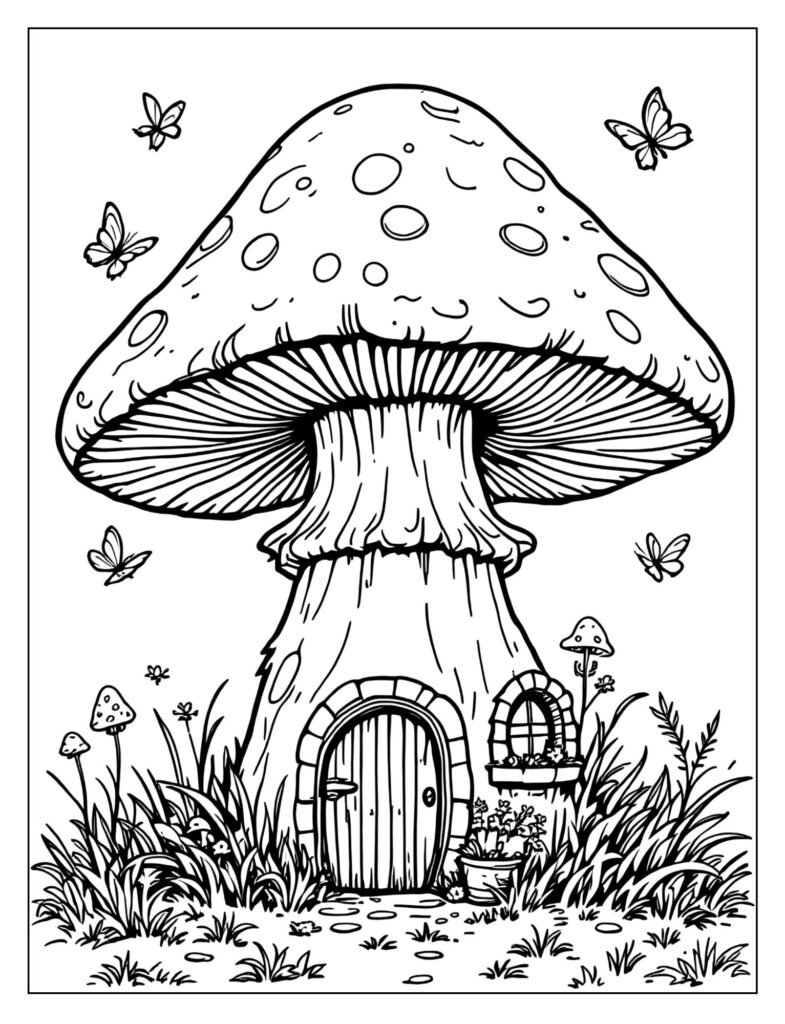
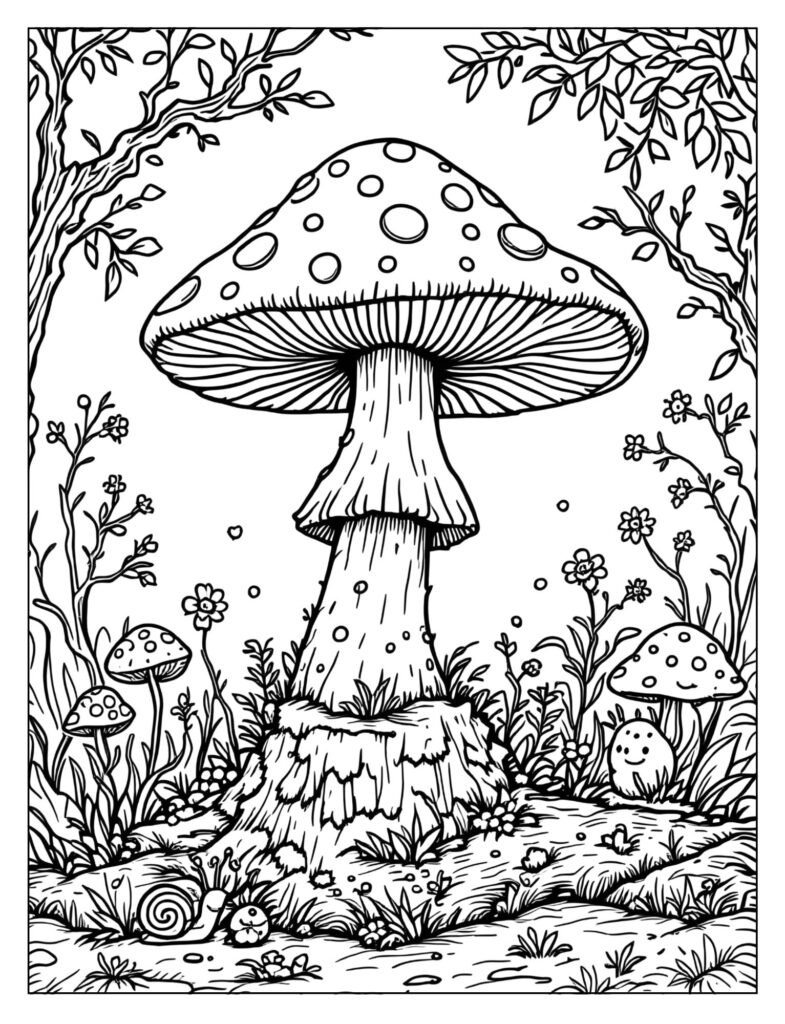
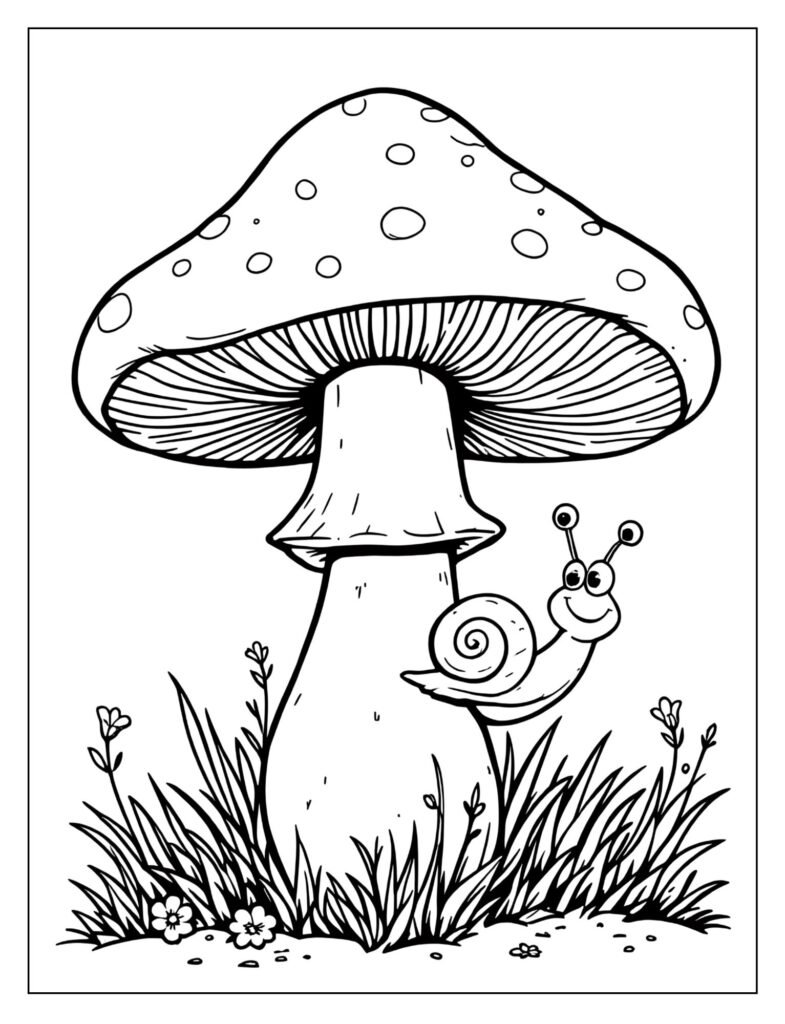
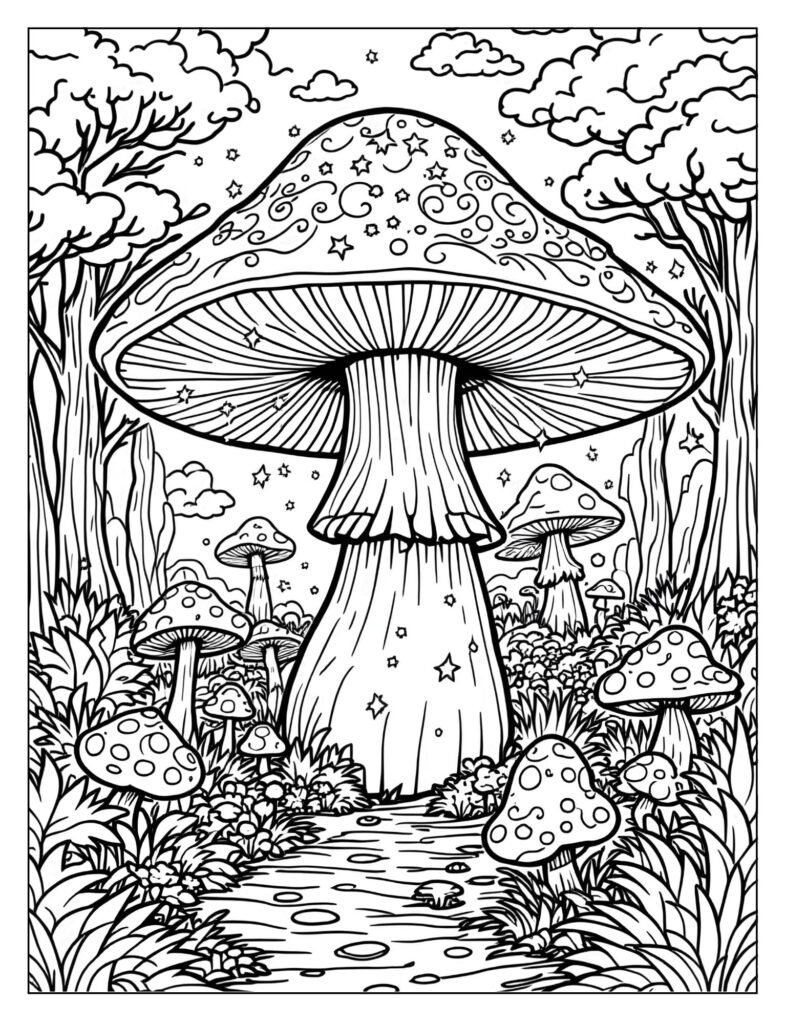
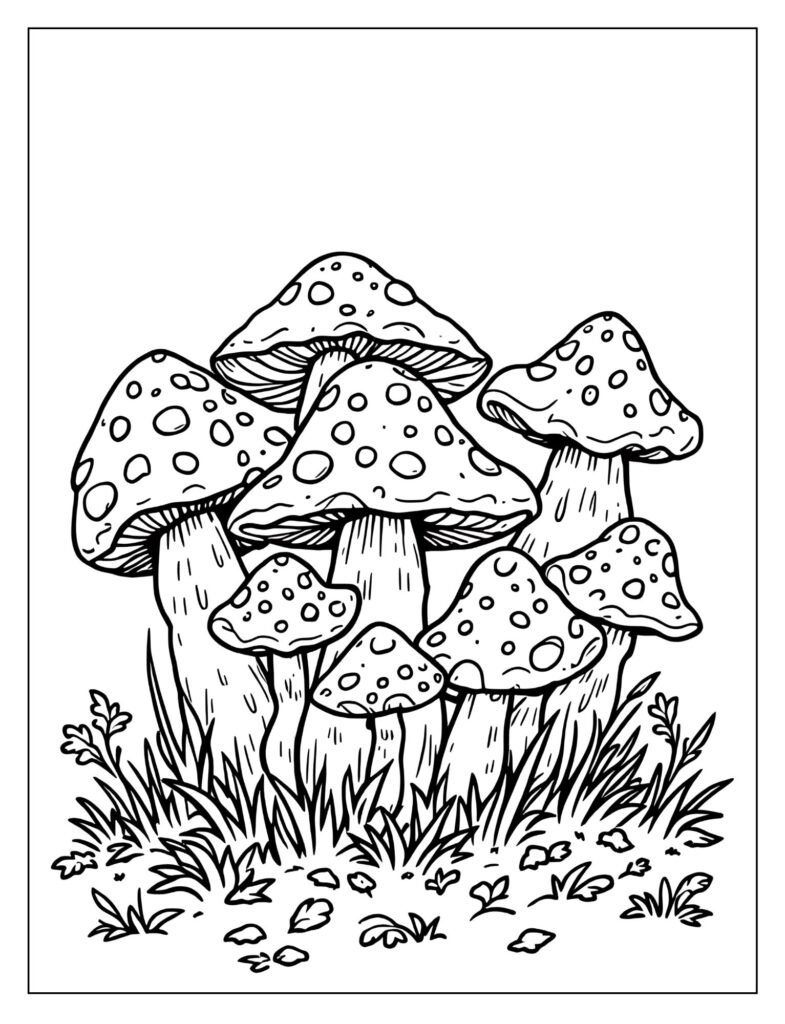
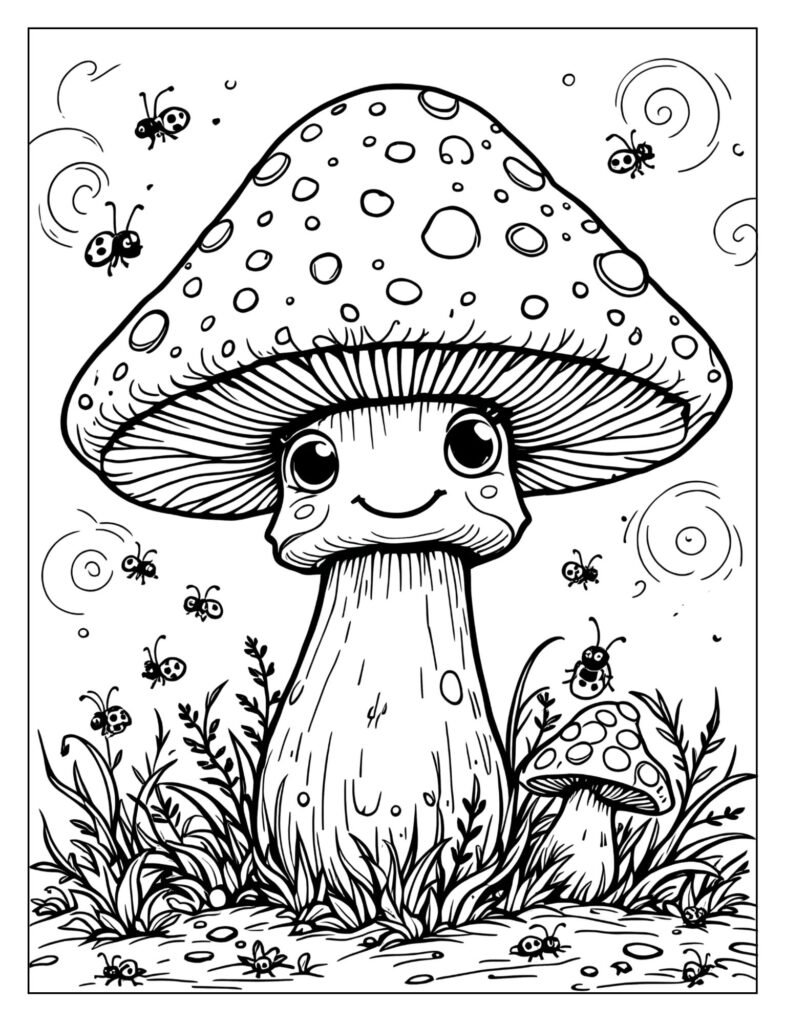
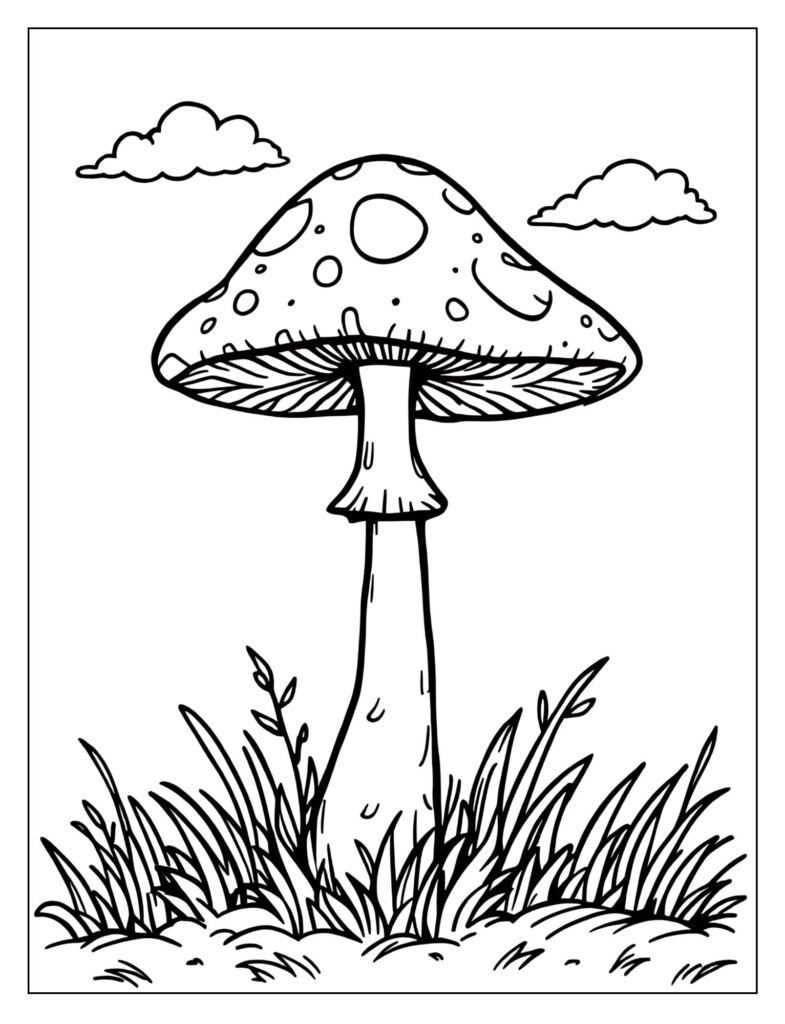
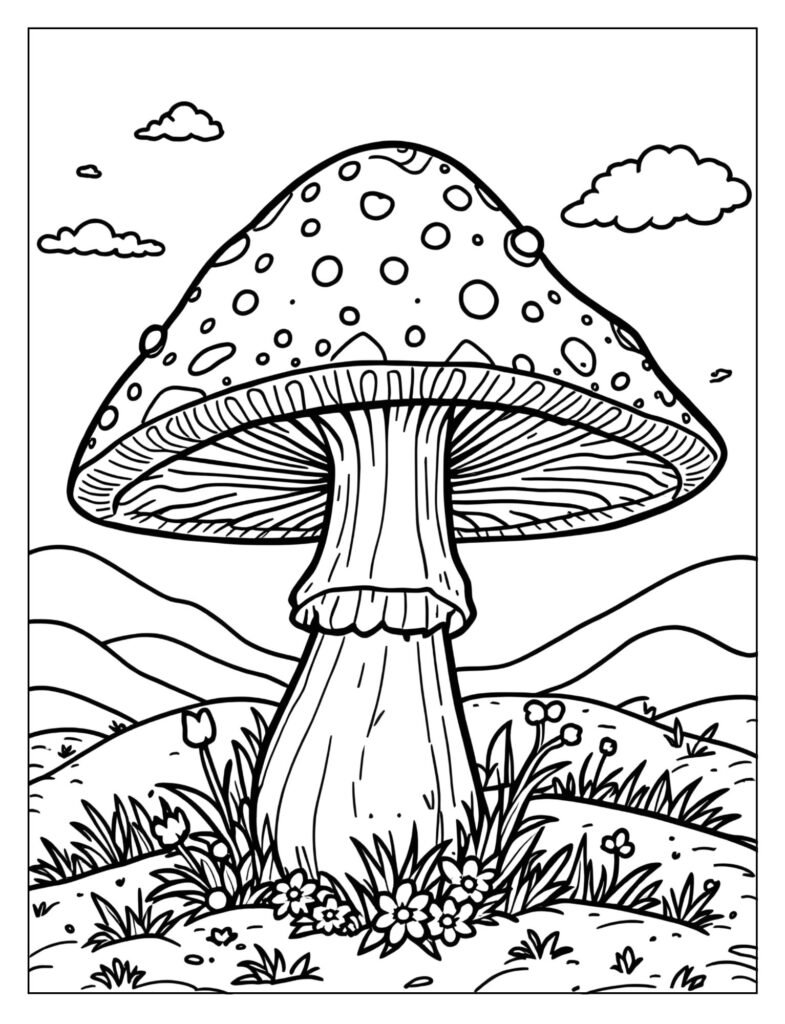
Mushrooms have always captured the human imagination with their quirky shapes, vibrant colors, and mysterious charm. From fairy-tale toadstools to delicious culinary varieties, these fungi hold a special place in both nature and storytelling. Mushroom coloring pages bring this magic to life, offering kids and adults a fun and creative way to explore the whimsical world of mushrooms. Whether it’s a simple page for young learners or an intricate botanical design for adults, mushroom-themed coloring sheets blend education, creativity, and relaxation.
In this post, we’ll uncover 10 fascinating facts about mushrooms that will make you see these little fungi in a whole new light. Then, we’ll explore 10 creative DIY craft ideas using mushroom coloring pages—perfect for school projects, nature-inspired décor, or simply bonding time at home. Finally, we’ll wrap it all up with reflections on why coloring mushrooms is more than just an art activity—it’s a way to connect with nature’s wonders.



10 Interesting Facts About Mushrooms
1. Mushrooms Are Not Plants
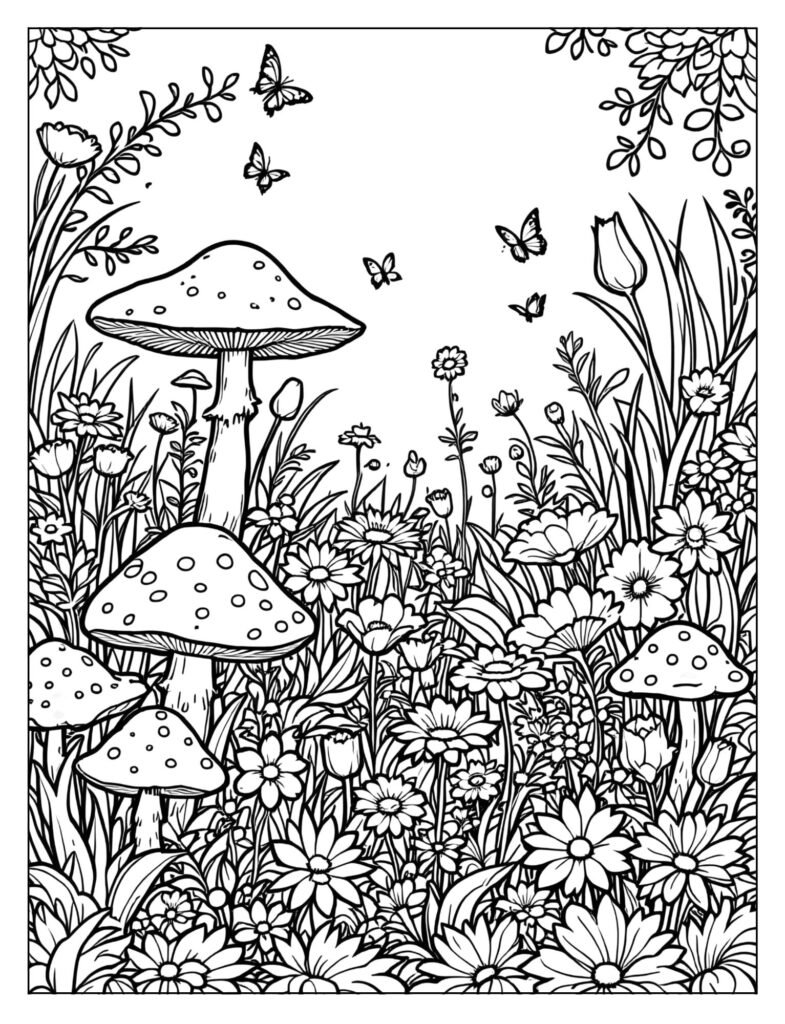
Although they often grow in forests alongside trees, mushrooms are not plants—they belong to the kingdom Fungi. Unlike plants, mushrooms don’t use photosynthesis; instead, they absorb nutrients from organic matter. Coloring pages that feature mushrooms alongside trees and flowers can be used to teach kids this important difference. Adding vibrant colors helps them understand that fungi are unique organisms in nature’s web.
2. Some Mushrooms Glow in the Dark
Over 70 species of mushrooms are bioluminescent, meaning they can glow naturally at night. Known as “foxfire” or “fairy fire,” this magical glow is often greenish and adds to their mystical reputation. A fun coloring page idea is to use neon crayons or glow-in-the-dark markers on mushroom illustrations, mimicking this natural light show. It’s a hands-on way to learn science while having fun.
3. The Largest Living Organism on Earth Is a Fungus
Deep in Oregon’s Malheur National Forest lies the Armillaria ostoyae, also known as the honey fungus. Covering over 2,000 acres, it’s considered the largest living organism in the world. Coloring pages with sprawling mushroom fields can help kids visualize just how big fungi can get, teaching them scale in an engaging way.
4. Mushrooms Are Packed with Nutrition
Edible mushrooms like shiitake, portobello, and button mushrooms are rich in vitamins, minerals, and antioxidants. They provide vitamin D, which is rare in most plant foods. A coloring page featuring baskets of mushrooms can serve as an educational tool to discuss healthy eating habits with children, showing them how fun and tasty mushrooms can be.
5. Mushrooms Play a Key Role in Ecosystems
Mushrooms are decomposers—they break down dead plants and animals, recycling nutrients back into the soil. Without fungi, forests and ecosystems would struggle to survive. Coloring pages with forest floor scenes, leaves, and mushrooms can help illustrate this vital role, teaching children the importance of fungi in maintaining life cycles.
6. Mushrooms Have Cultural Significance
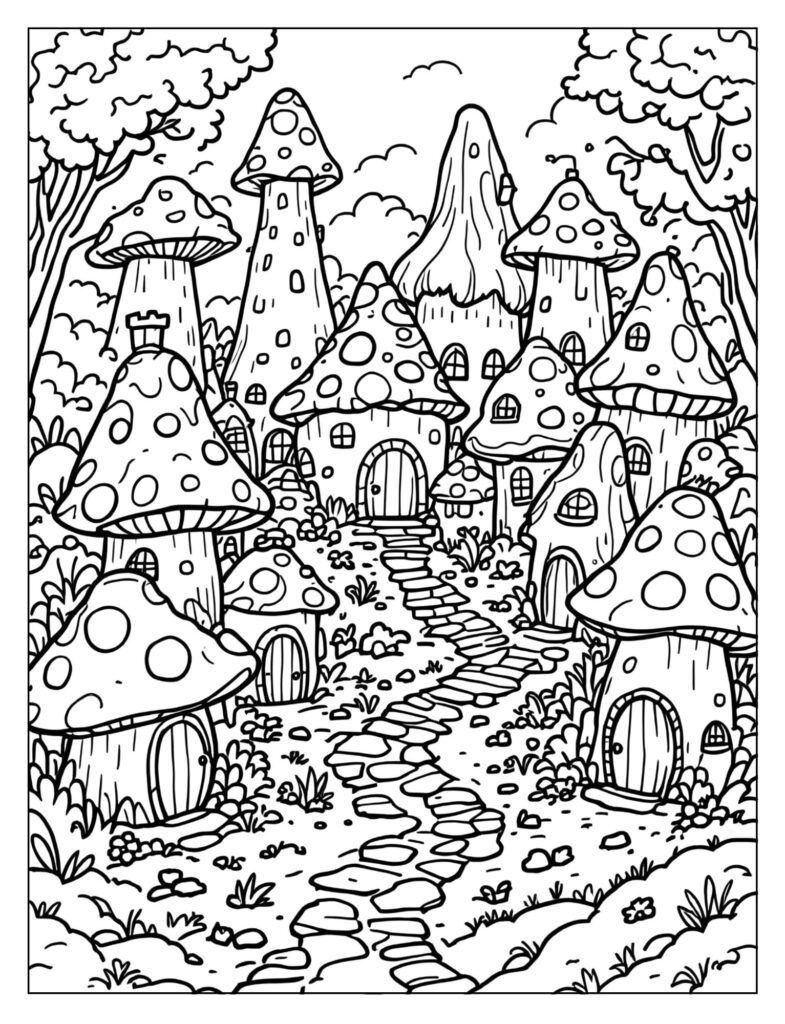
Throughout history, mushrooms have held symbolic meaning. In fairy tales, red-and-white toadstools (fly agarics) are associated with fairies, gnomes, and magical forests. In Eastern cultures, mushrooms like reishi are symbols of health and longevity. Coloring pages can reflect these cultural ties, letting kids decorate magical mushroom houses or mystical scenes with their favorite colors.
7. Some Mushrooms Are Deadly
Not all mushrooms are safe to eat—some, like the death cap mushroom, are highly poisonous. This fact makes mushroom identification a crucial skill. Using coloring pages as a safe learning tool, kids can be taught that while mushrooms are fascinating, real-life varieties should never be touched or eaten without adult supervision.
8. Mushrooms Reproduce with Spores
Instead of seeds, mushrooms spread spores—tiny particles that help them grow in new places. A single mushroom can release billions of spores, creating clouds so dense they’re sometimes visible. A coloring page showing mushrooms releasing spores can be used to explain this process, making biology both accessible and visually appealing for children.
9. Mushrooms Inspire Art and Fashion
Because of their shapes and colors, mushrooms have inspired countless works of art, illustrations, and even clothing designs. From whimsical patterns to psychedelic artwork, fungi continue to spark creativity. Coloring pages with intricate mushroom mandalas or stylized mushrooms let both kids and adults tap into this artistic inspiration.
10. Mushrooms Connect to Fairy Tales and Fantasy
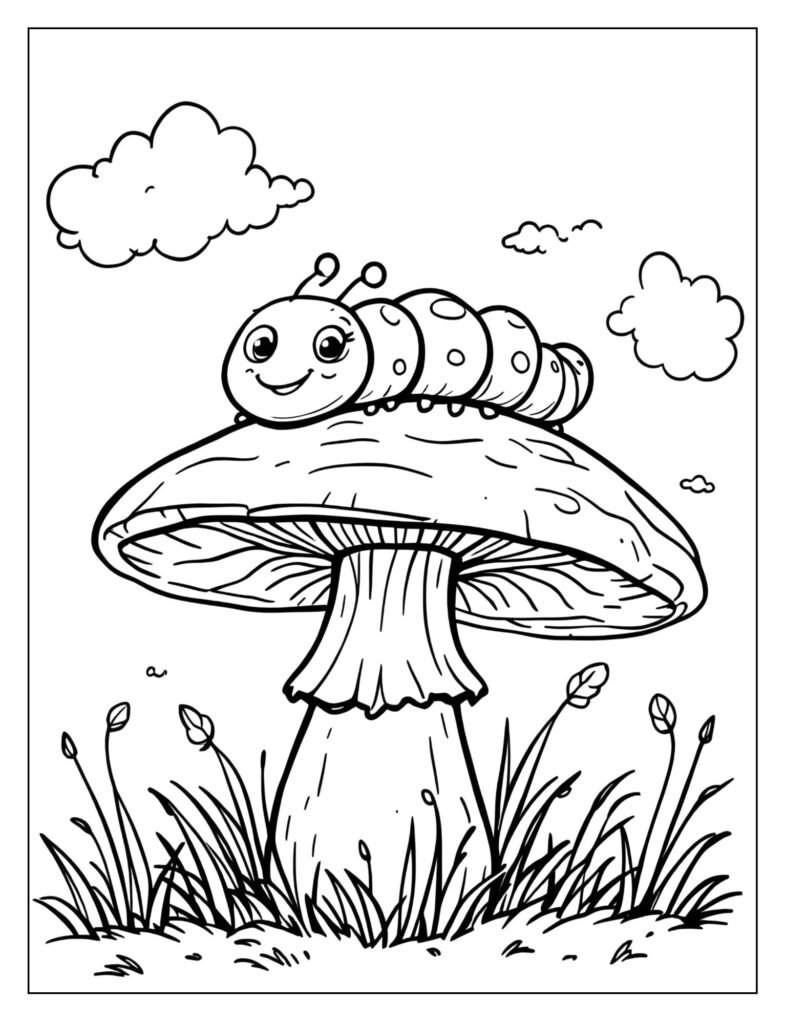
From Alice in Wonderland to fairy gardens, mushrooms often symbolize magic, mystery, and hidden worlds. Coloring pages with mushroom houses, tiny fairies, or woodland creatures spark children’s imagination, turning simple coloring into a journey through enchanted forests. This connection to storytelling makes mushroom coloring pages both educational and whimsical.
10 DIY Ideas to Use Mushroom Coloring Pages
1. Mushroom Greeting Cards
Turn mushroom coloring pages into greeting cards by folding them in half and writing a heartfelt note inside. Whether it’s for birthdays, Grandparents Day, or “just because,” the card becomes extra special when decorated with bright mushroom designs.
2. Fairy Garden Décor
After coloring mushroom pages, cut them out and use them to decorate miniature fairy gardens. These can be taped to sticks as tiny signs, or laminated to stand in the soil. It’s a magical way to mix art with imaginative play.
3. DIY Wall Art
Frame your finished mushroom coloring pages to create whimsical wall art for a child’s bedroom, classroom, or playroom. Group several designs together to form a nature-themed gallery wall.
4. Mushroom Bookmarks
Cut mushroom illustrations into strips, laminate them, and add ribbons at the top. These colorful bookmarks are practical gifts for book lovers and fun keepsakes for kids to use during storytime.
5. Scrapbook Decorations
Add finished mushroom pages to scrapbooks or nature journals. They can be paired with pressed leaves, photos, or handwritten notes about nature walks, turning the scrapbook into a beautiful memory keeper.
6. Educational Flashcards
Use mushroom coloring sheets to create flashcards. On the back, write fun facts (like “Some mushrooms glow in the dark!”). These can be used in classrooms or at home to teach kids science in a hands-on way.
7. DIY Wrapping Paper
Print mushroom pages on large paper, color them, and use them to wrap small gifts. It’s eco-friendly and adds a homemade charm to gift-giving.
8. Classroom Activities
Teachers can use mushroom coloring pages for science lessons about fungi, ecosystems, or food. After coloring, children can present what they learned, combining art with education.
9. Seasonal Decorations
Colored mushroom pages can be cut out and hung as garlands for fall décor. Combine them with paper leaves and pumpkins for a cozy, autumn-inspired look.
10. Storytelling Props
Children can use mushroom coloring cutouts as props while telling or acting out fairy tales. Imagine holding up a bright red toadstool while narrating Alice in Wonderland—suddenly, the story feels more alive!
Final Thoughts
Mushrooms are far more than quirky fungi in the forest—they’re symbols of magic, culture, and natural wonder. Mushroom coloring pages give us a chance to explore this fascinating world while sparking creativity, teaching science, and making meaningful keepsakes.
The 10 interesting facts show how mushrooms are important to ecosystems, history, and even art. They’re a reminder that nature’s smallest details can hold the biggest surprises. Meanwhile, the 10 DIY ideas transform simple coloring activities into heartfelt projects—from greeting cards to seasonal decorations, classroom crafts, and even imaginative fairy garden décor.
So, whether you’re a parent, teacher, or simply someone who loves nature, grab your crayons or markers and let the magic of mushrooms inspire you. With each page you color, you’re not just creating art—you’re building connections with nature, history, and creativity.