15 Free Coin Coloring Pages (PDF Printables)
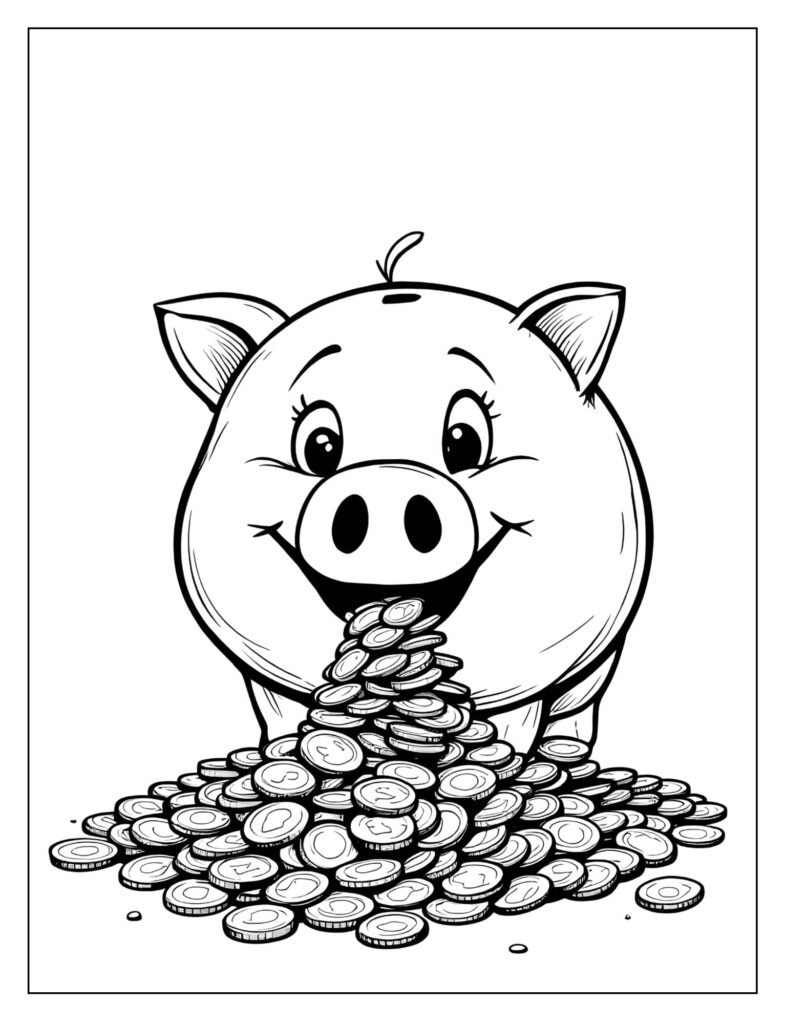
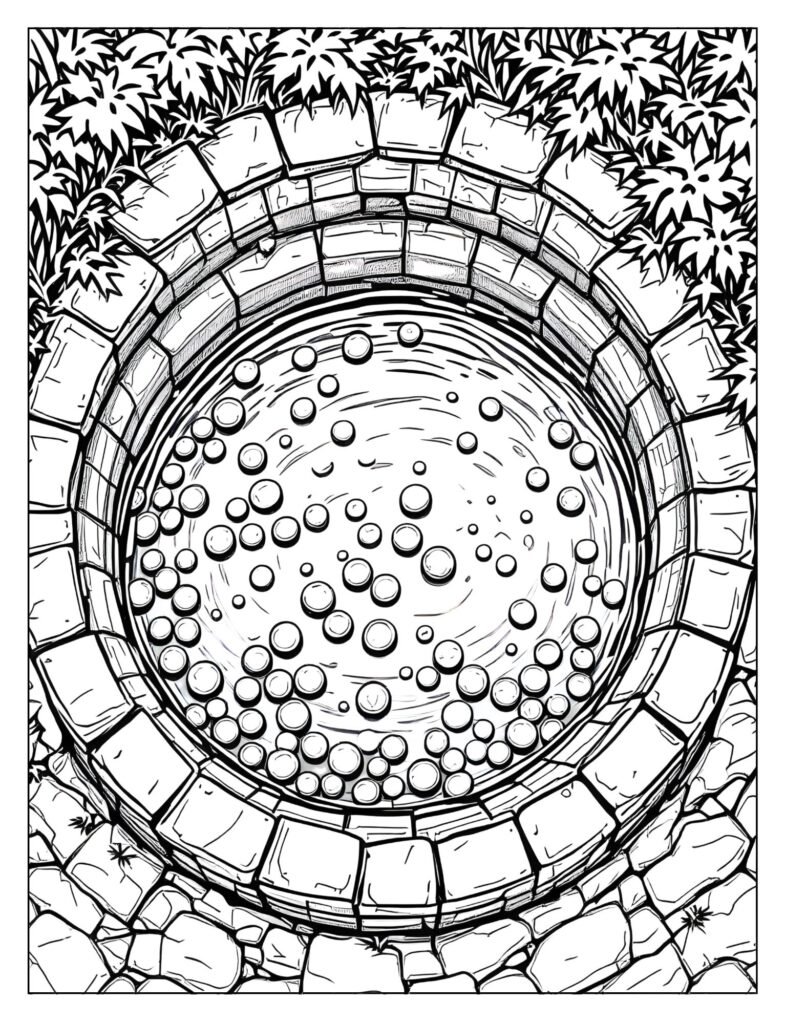
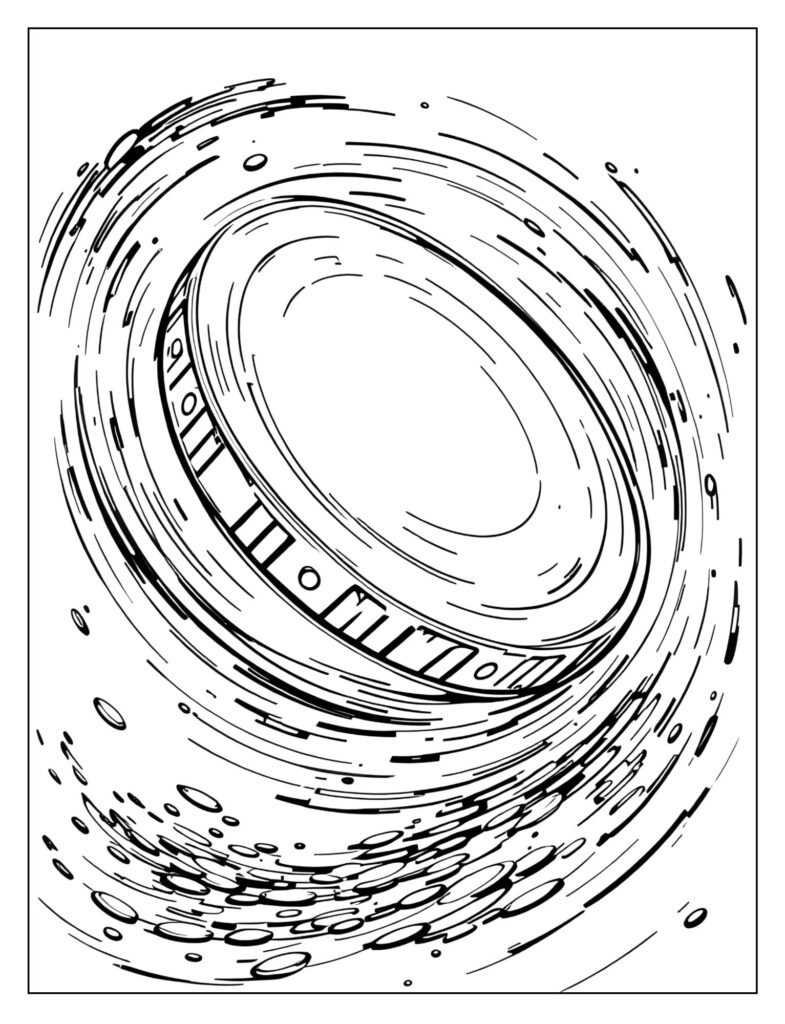
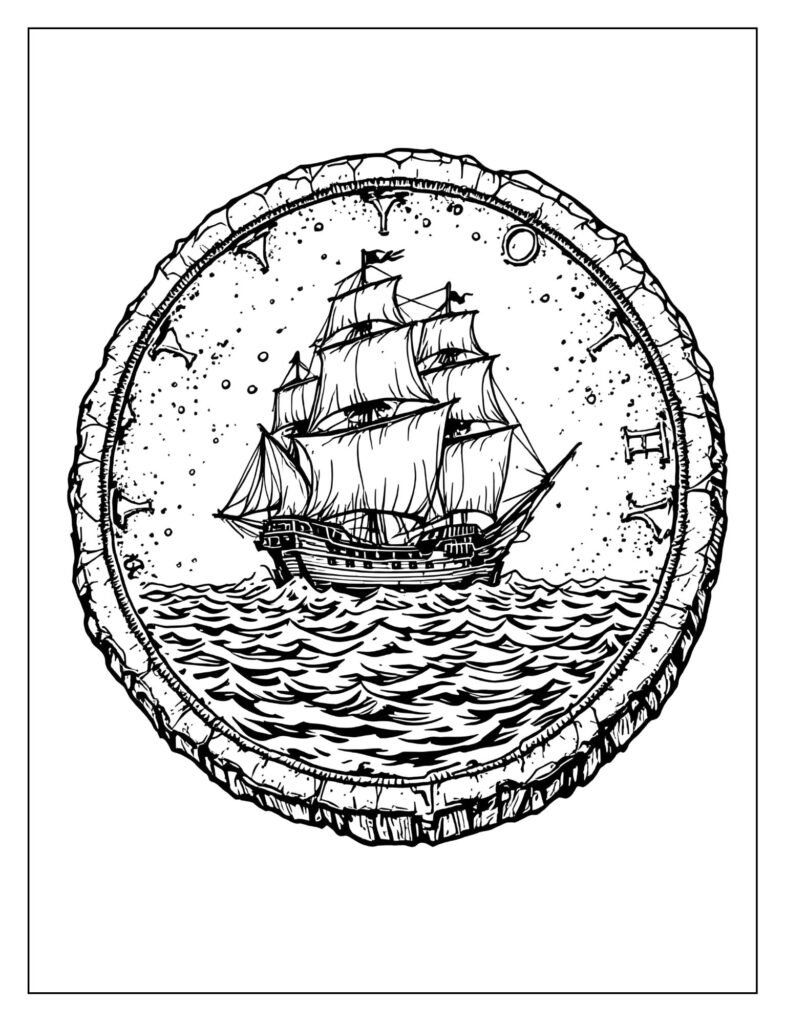
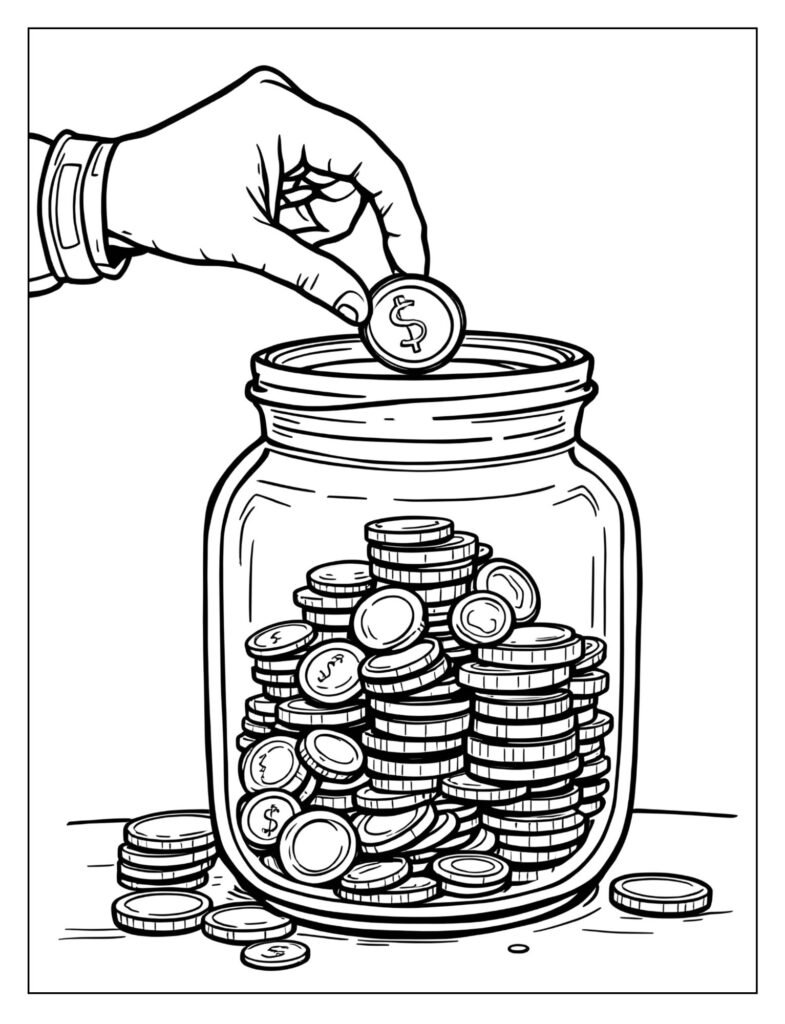
Coin coloring pages are a fun, educational, and creative way to introduce kids to the world of money, history, and design. Whether you’re a teacher, a homeschooling parent, or simply looking for an artistic activity for your child, coin coloring sheets offer an engaging blend of learning and entertainment. These pages typically feature simple outlines of pennies, nickels, dimes, quarters, and even rare or historical coins—allowing children to explore art while absorbing knowledge about currency.
Coloring coins also encourages early math concepts, such as counting, value comparison, and money recognition. Many worksheets even incorporate matching activities or coin labeling tasks, making them a great resource for classrooms and financial literacy lessons. Children love the detail of coin designs—from presidents and national symbols to iconic phrases like “In God We Trust.”
Whether used for learning centers, craft projects, or holiday activities, coin coloring pages are a timeless, budget-friendly tool that inspires creativity and confidence.



10 Interesting Facts About Coins
Coins are more than just small pieces of metal used to buy candy or toys—they’re tiny capsules of history, culture, and design. Coin coloring pages are a perfect way to introduce these exciting facts to children while keeping them busy with creativity. Here are ten deeply explained, kid-friendly, and educational facts about coins that perfectly complement your coloring sheets.
1. Coins Have Been Used for Thousands of Years
The use of coins stretches all the way back to around 600 BCE in ancient Lydia (modern-day Turkey). These early coins were made of electrum, a natural blend of silver and gold. Coin coloring pages featuring ancient or historical coins can inspire curiosity about early civilizations. Kids often find it fascinating that people from long ago used metal pieces just like we do today—but without today’s fancy machines or identical designs.
2. The U.S. Mint Makes Millions of Coins Every Day
In the United States, billions of coins are produced every year across multiple minting facilities. Coins are created by cutting metal blanks, heating them, pressing them with designs, and then inspecting them. Children can have fun recreating their own “minted” designs using coin coloring pages—perhaps even inventing their own money system as a classroom activity.
3. Each Coin Tells a Story Through Its Symbols
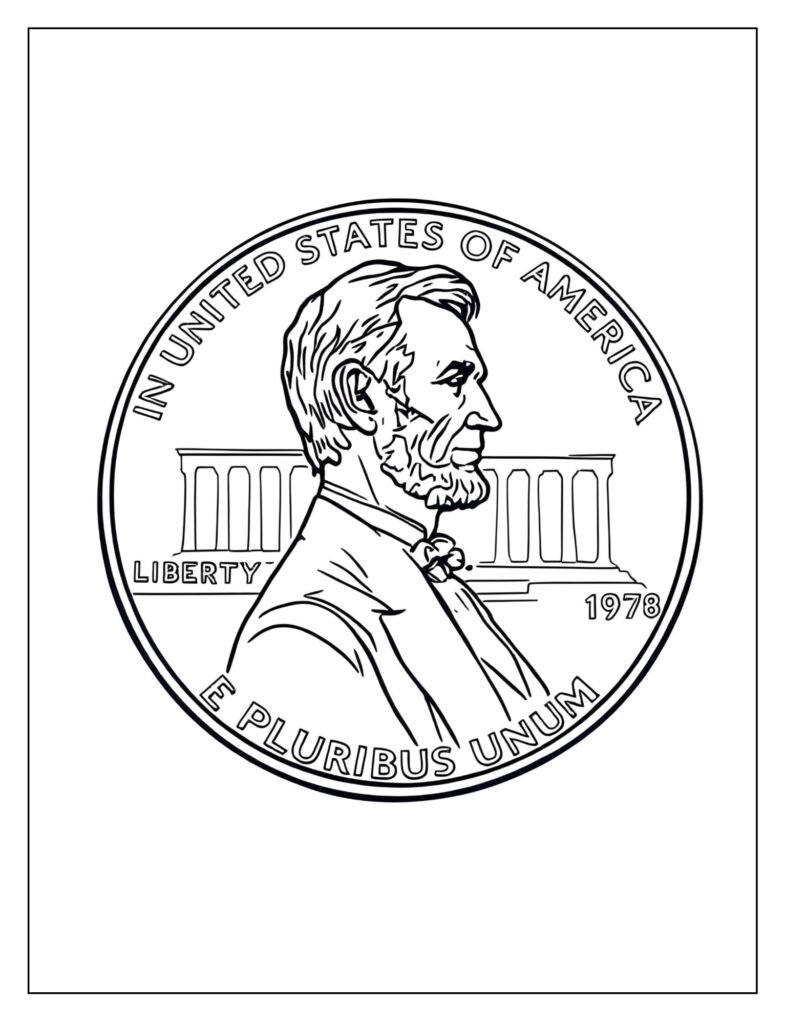
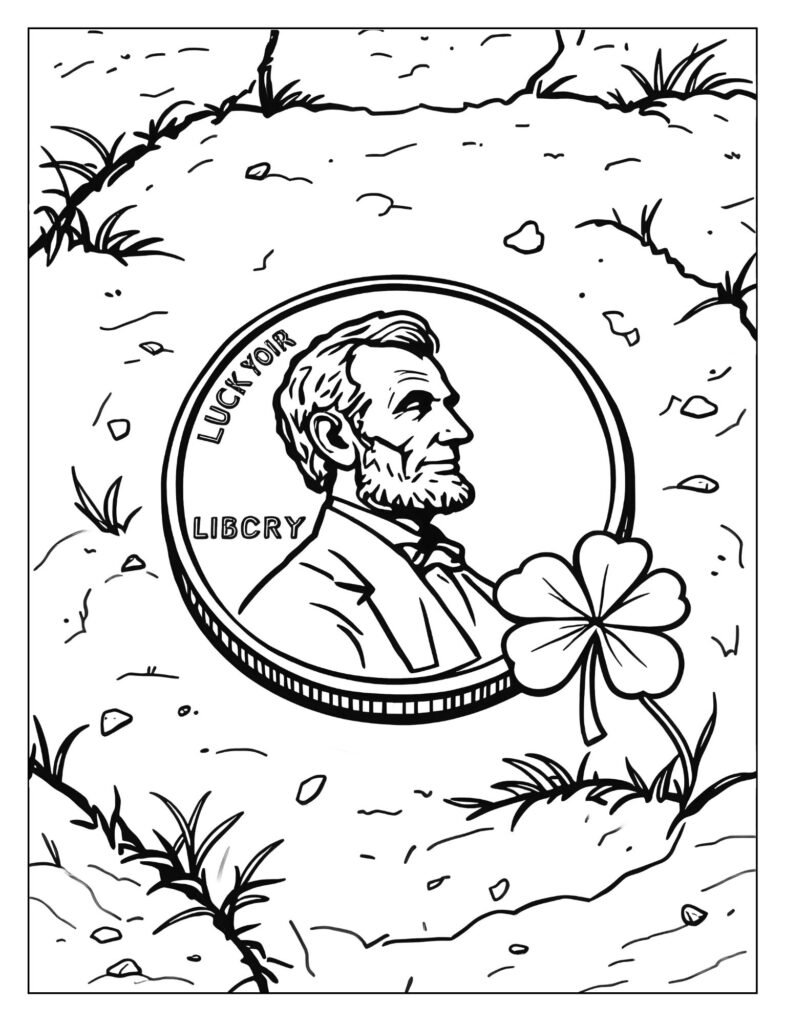
From eagles to portraits of presidents, every coin features carefully chosen symbols. For example, the U.S. quarter showcases George Washington on one side and often a state-themed image on the reverse. The penny famously displays Abraham Lincoln. Kids love learning why these symbols were chosen, and coin coloring pages allow them to highlight the details—like stars, wording, and shields—while absorbing history in an enjoyable way.
4. Coins Are Made From Different Metals
Coins are not all made from the same metal. Pennies used to contain copper, but now they’re mostly zinc with a thin copper coating. Nickels are made of a nickel-copper blend, and dimes and quarters feature copper sandwiched between nickel. Coloring pages that encourage children to shade coins with realistic metallic tones—grays, coppers, or golds—can help them understand these differences.
5. Some Coins Become Rare or Valuable Over Time
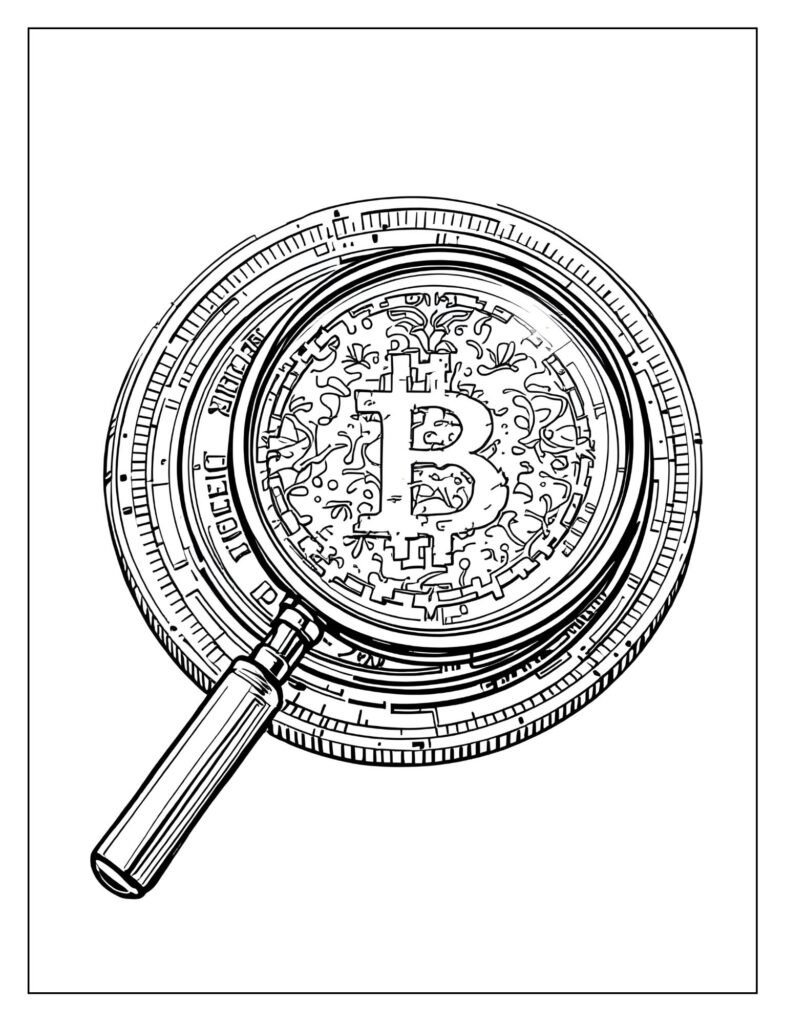
Even ordinary coins can become valuable if they’re old, misprinted, or discontinued. Collectors love searching for rare adaptations or mistakes like double-stamped coins. Adding rare coin outlines—such as antique gold coins or discontinued designs—to coloring sheets teaches kids about collectible currency and helps spark an interest in numismatics (coin collecting).
6. Coins Often Feature Hidden Details
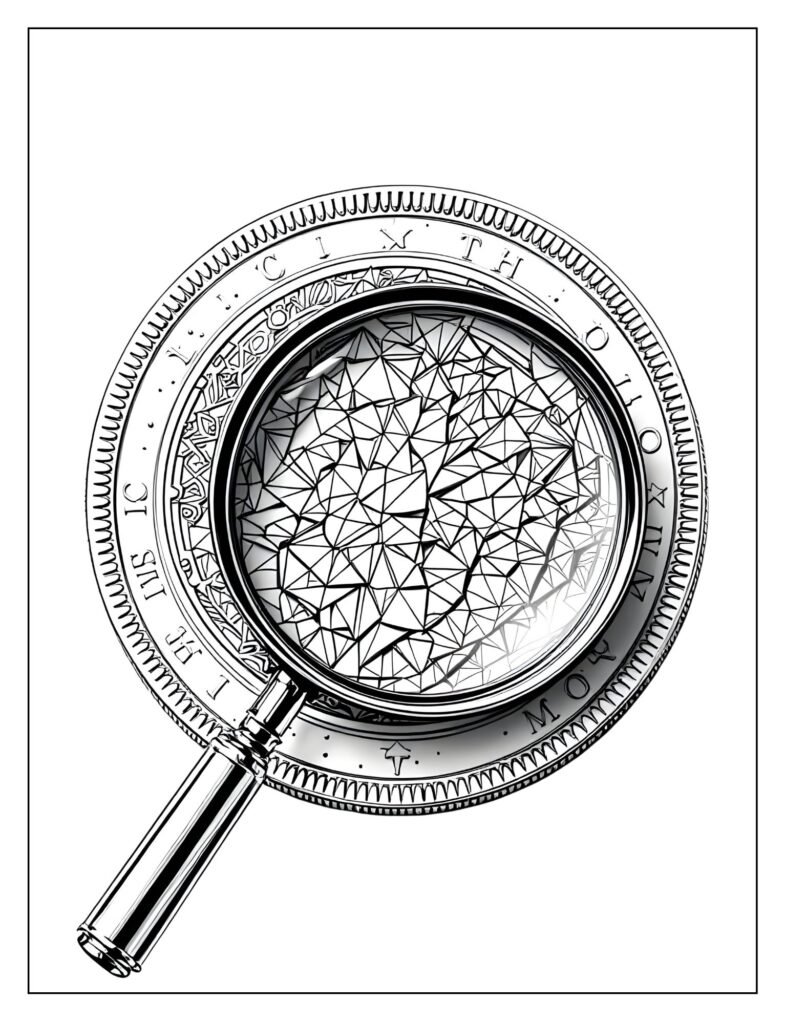
If you look closely, tiny symbols, initials, and mint marks appear on many coins. Coin designers sometimes hide their initials in the artwork, and mint marks identify where the coin was produced (like “P” for Philadelphia or “D” for Denver). Kids enjoy discovering these miniature details while coloring, and this helps sharpen attention to detail.
7. Coins Change Designs Over Time
Even familiar coins like quarters and nickels undergo design updates. The U.S. released the 50 State Quarters Program starting in 1999, followed by National Park Quarters. Coloring pages with rotating coin themes allow kids to explore different motifs—from American landscapes to famous landmarks—while learning how coins evolve with culture.
8. Not All Countries Use the Same Coins
Different countries have their own sets of coins, each featuring unique images and shapes. For example, some nations have coins with holes in the center, while others are polygon-shaped. Adding global coin designs to coloring worksheets is a wonderful way to teach children about international cultures, geography, and world currency.
9. Coins Help Kids Learn Math and Money Skills
Teachers frequently use coin illustrations to teach counting, value comparison, addition, and subtraction. Coloring pages that include money amounts or coin sets double as learning worksheets. Children naturally absorb these math concepts while coloring coins and identifying their values.
10. Coins Can Become Keepsakes
Some people collect coins as lifelong hobbies, passing them down to future generations. Kids can create their own “keepsake coins” by decorating coin coloring pages with glitter, metallic markers, and creative patterns. These handmade designs not only make impressive artwork but also serve as personalized treasures.
10 DIY Ideas Using Coin Coloring Pages
Coin coloring pages are incredibly versatile, making them ideal for creative crafts, classroom activities, and educational projects. Here are ten expanded DIY ideas you can use at home or school to turn simple coin printables into hands-on learning fun.
1. DIY Play Money for Pretend Stores
After kids color their coins, laminate or cut them out to create pretend money. These coins can be used in classroom shops, home play markets, or role-playing games. Children learn counting, addition, and value recognition naturally while “buying” items.
2. A Giant Classroom Money Chart
Use multiple coin coloring pages to create a huge classroom display. Kids can color, label, and categorize pennies, nickels, dimes, and quarters. Add pockets or envelopes to store real and paper coins for interactive lessons.
3. Coin Rubbings + Coloring Combo Art
Place a real coin under a sheet of paper, rub with a crayon to reveal its design, then pair it with a coin coloring sheet. This gives children a hands-on understanding of coin textures and engravings while reinforcing the connection between real coins and illustrations.
4. Metallic Art Coins With Foil or Glitter
Instead of regular crayons, give kids metallic sharpies, gold foil, or silver glitter glue to decorate coin pages. This transforms ordinary worksheets into eye-catching artwork. Hang the finished pages to make a “shining coin gallery.”
5. DIY Coin Counting Folder
Use a pocket folder to create a money-learning workbook. Insert colored coin pages, add value labels, and attach Velcro dots so children can match real or paper coins to the correct spots.
6. Math Task Cards
Cut out small coin illustrations from coloring pages and turn them into flashcards. Write word problems on the back (“You have two dimes and one nickel—how much is that?”). These cards make math practice fun, portable, and visually engaging.
7. A Homemade Piggy Bank Craft
Wrap a can or box with coin coloring sheets to design custom piggy banks. Kids can make “Savings,” “Share,” and “Spend” banks using different coin designs. This activity teaches financial responsibility in a creative way.
8. Money-Themed Scrapbooking Pages
Create scrapbook pages using coin coloring sheets as backgrounds or borders. Kids can add photos, goals, or real coins taped onto the page. This works beautifully for lessons on saving or field trips to the bank.
9. Design-Your-Own Coin Activity
Print a blank circle template beside a real coin outline. Kids can design their own currency—choosing symbols, text, dates, or animals. This inspires creativity, cultural exploration, and storytelling.
10. Classroom Treasure Hunt With Coin Clues
Color the coins, hide them around the house or classroom, and write clues or values on each. Kids must solve math problems or follow directions to find each coin. This makes learning money interactive and exciting.
Final Thoughts
Coin coloring pages may seem simple at first glance, but they are packed with educational value, creative potential, and long-lasting appeal. Whether used in preschool, elementary classrooms, homeschool centers, or at home, these coloring sheets offer children a fun way to explore money concepts, art, and history all at once.
From learning the differences between pennies, nickels, dimes, and quarters to discovering fascinating worldwide coin traditions, kids gain essential knowledge through hands-on engagement. The detailed designs challenge their focus and fine-motor skills, while the small symbols—like mint marks and inscriptions—encourage close observation.
Beyond academic learning, coin coloring pages unlock endless crafting opportunities. Children can turn their artwork into pretend money, flashcards, piggy banks, or glittering decorative pieces. These activities build confidence, spark imaginative play, and encourage financial literacy from an early age.
Whether you’re creating structured lessons or seeking simple creative fun, coin coloring pages offer a resource that grows with your child’s interests. They’re educational, artistic, customizable, and endlessly enjoyable—making them a staple in both classrooms and homes.