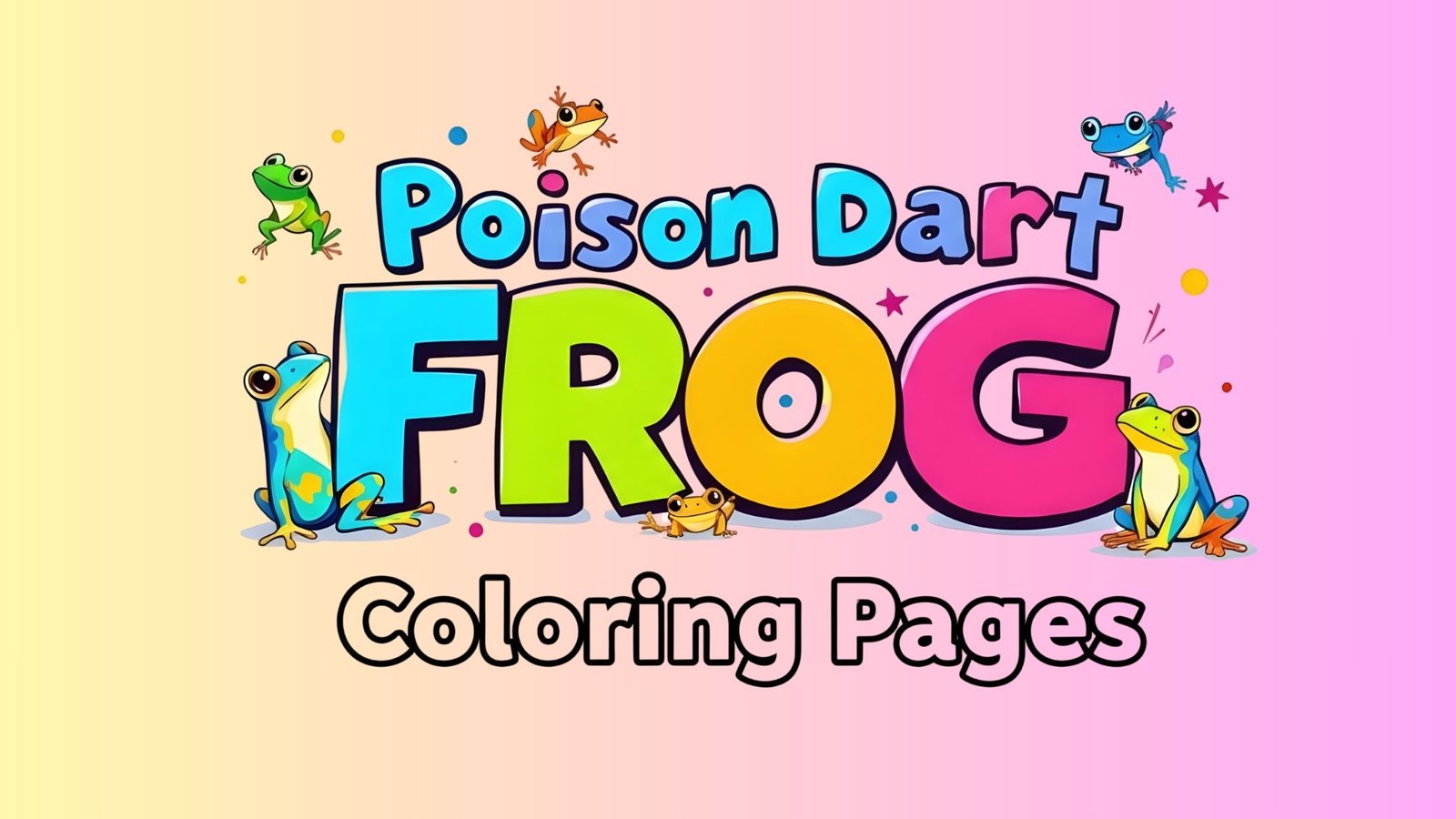
15 Free Poison Dart Frog Coloring Pages (PDF Printables)
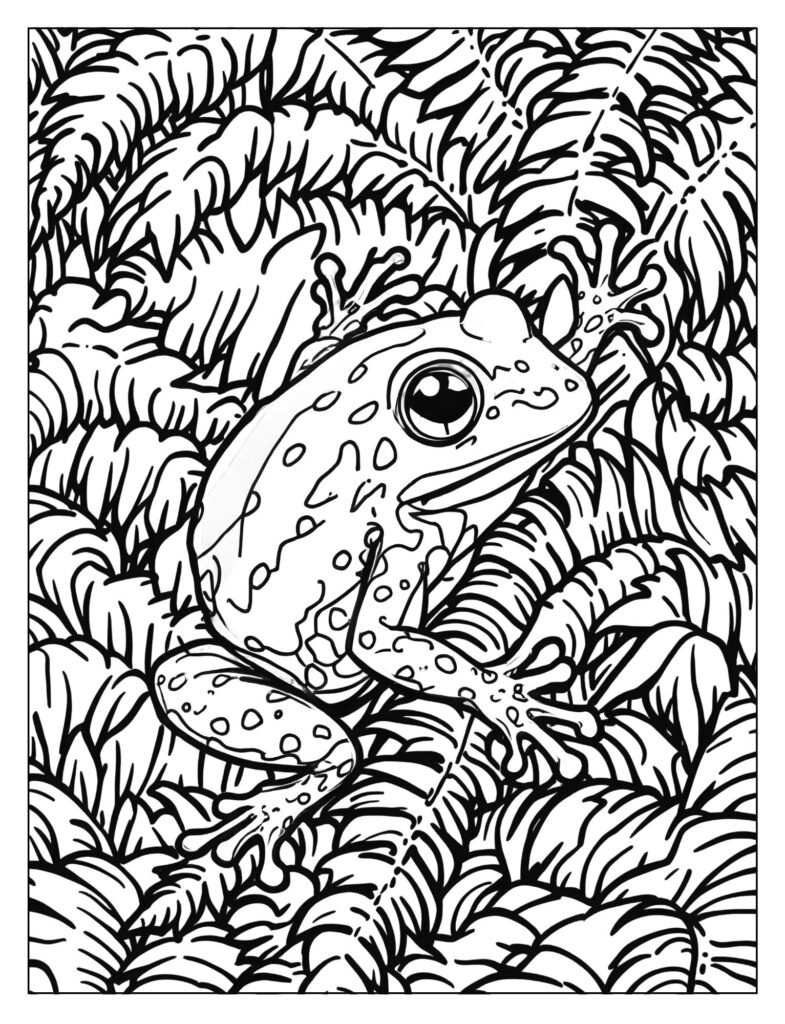
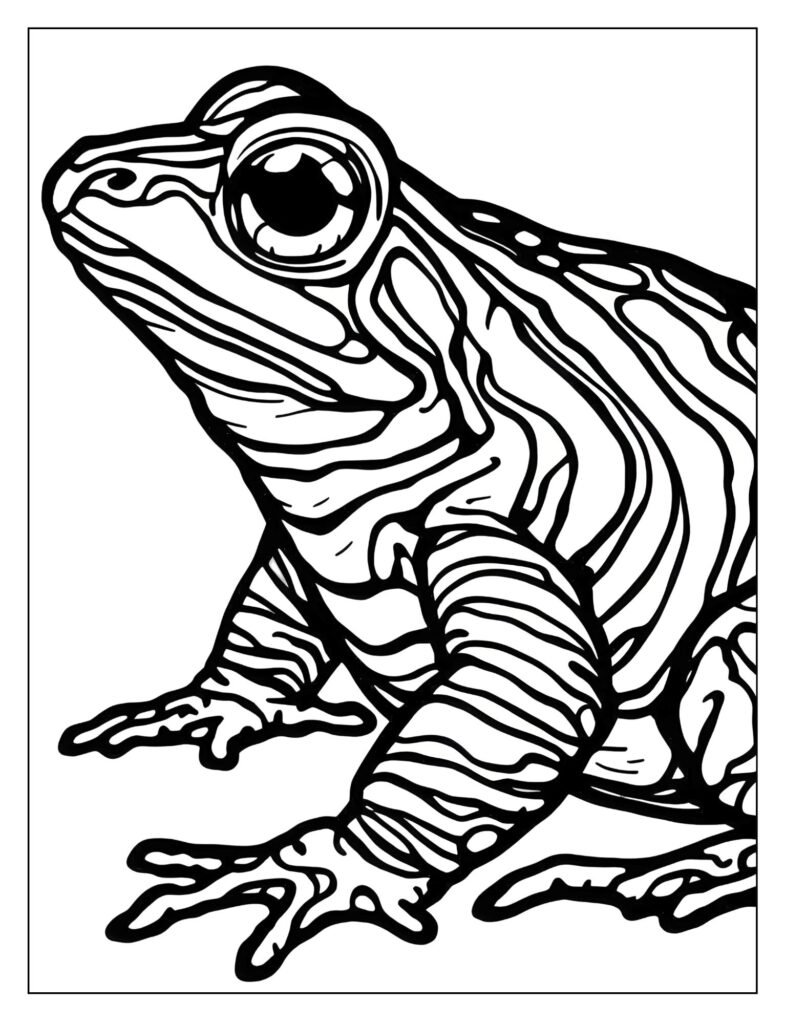
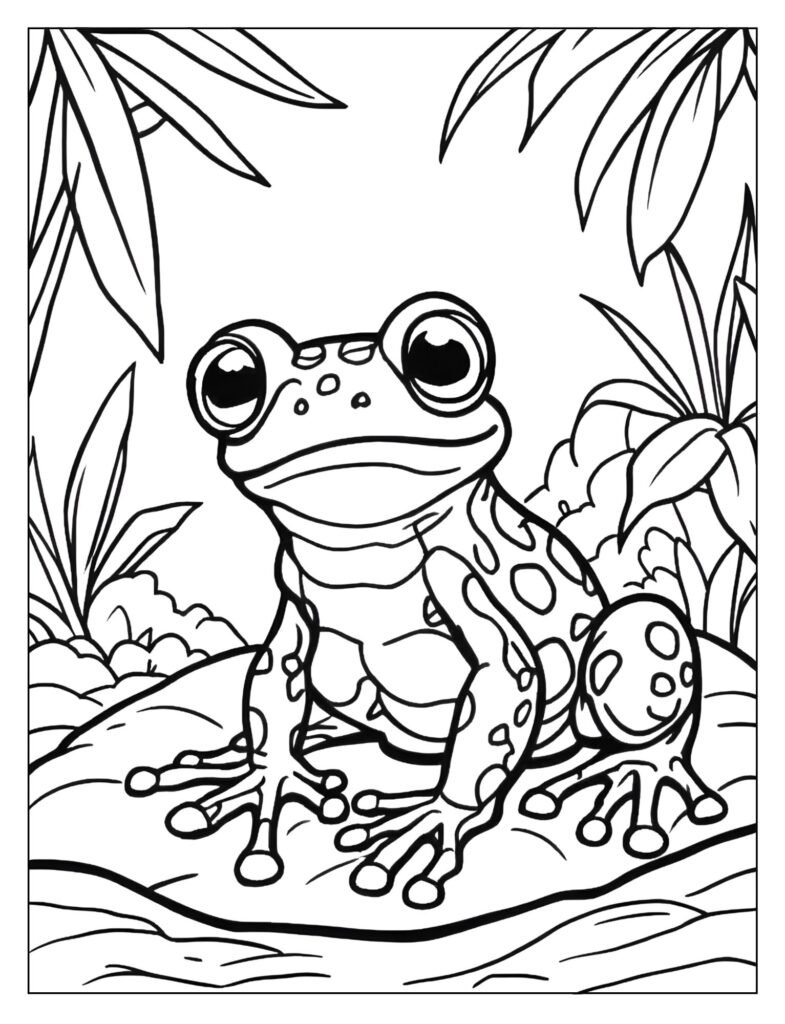
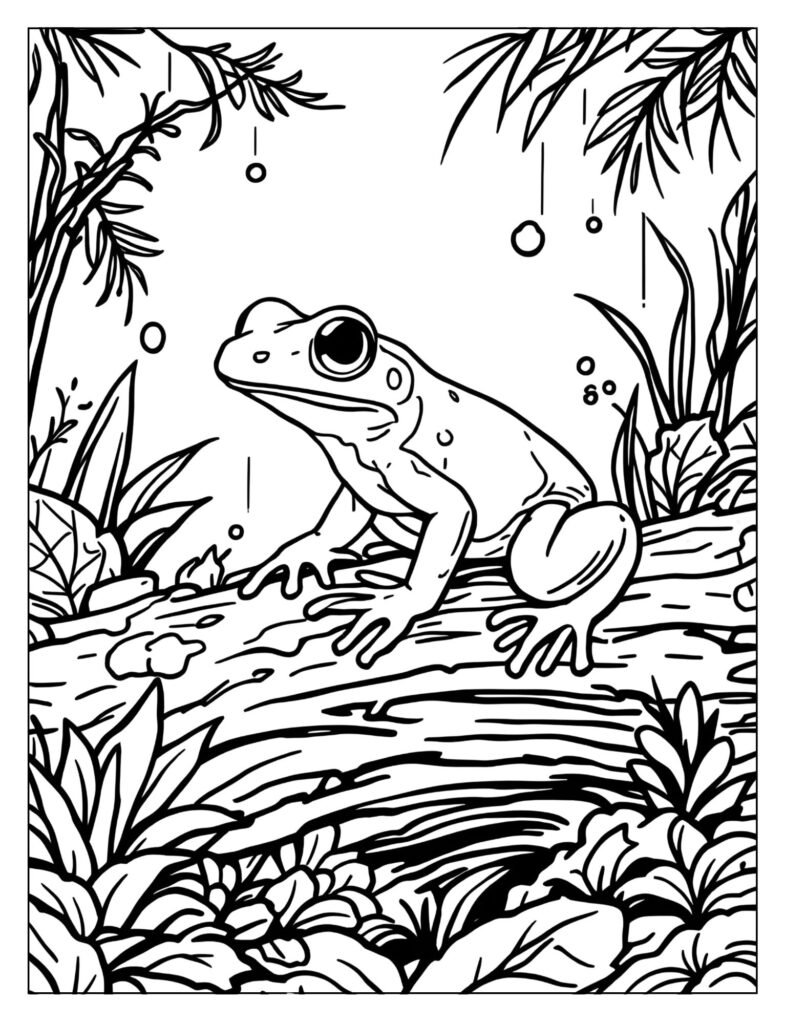
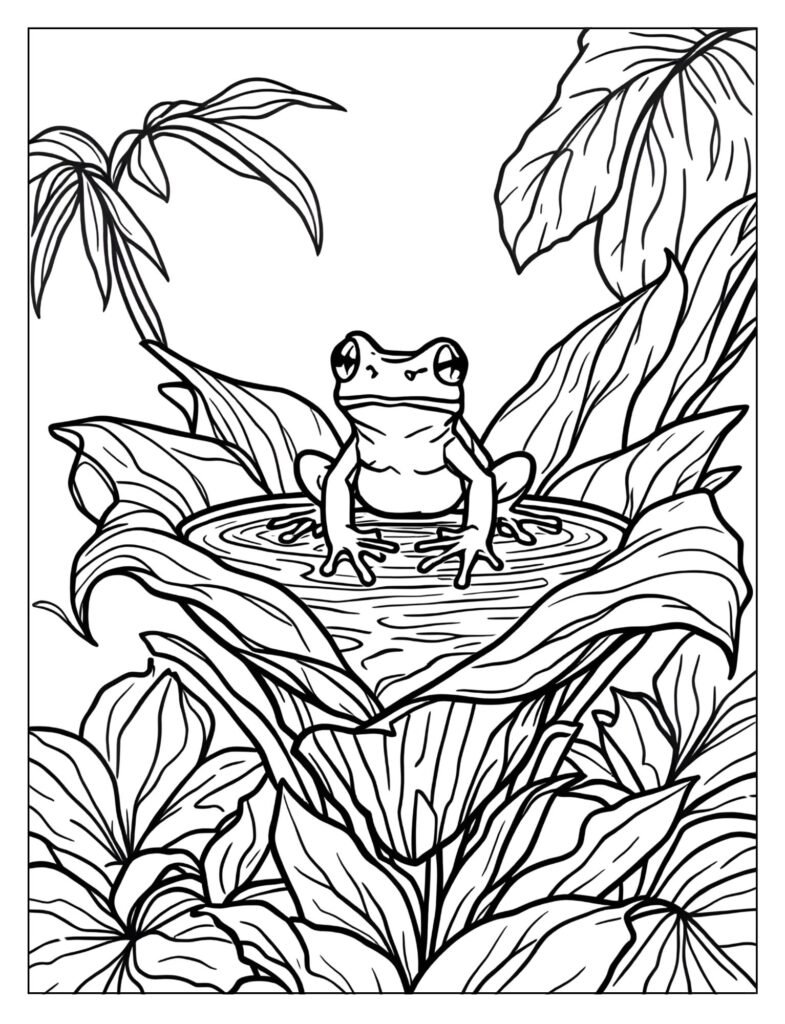
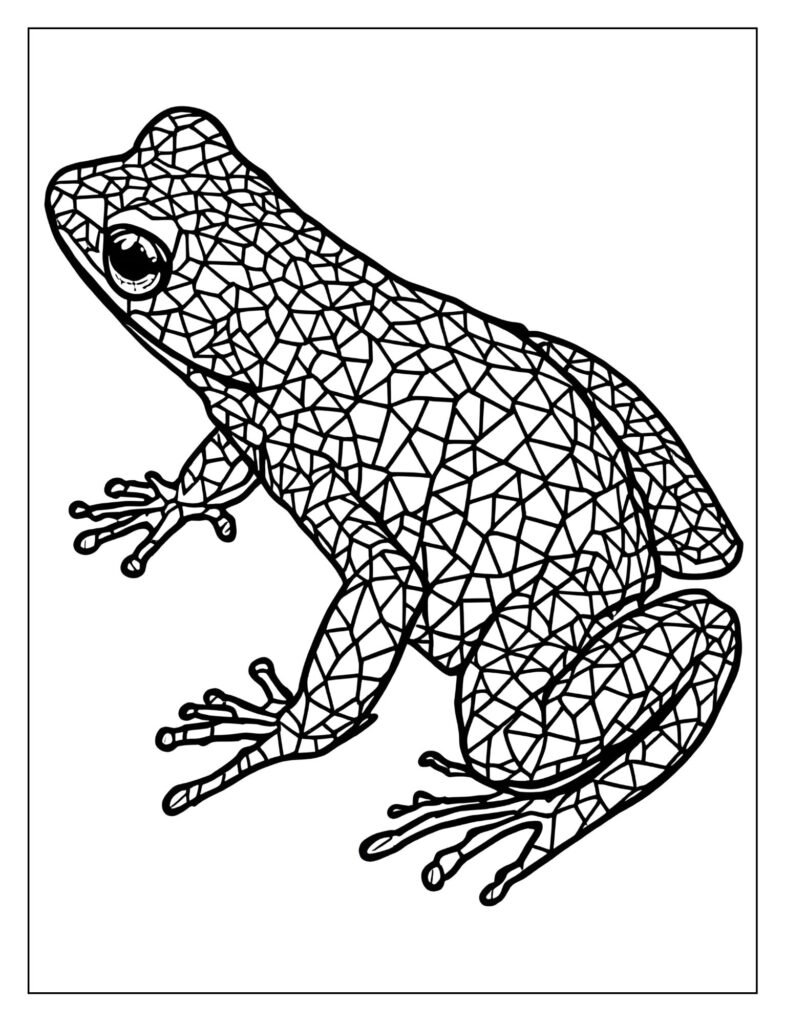
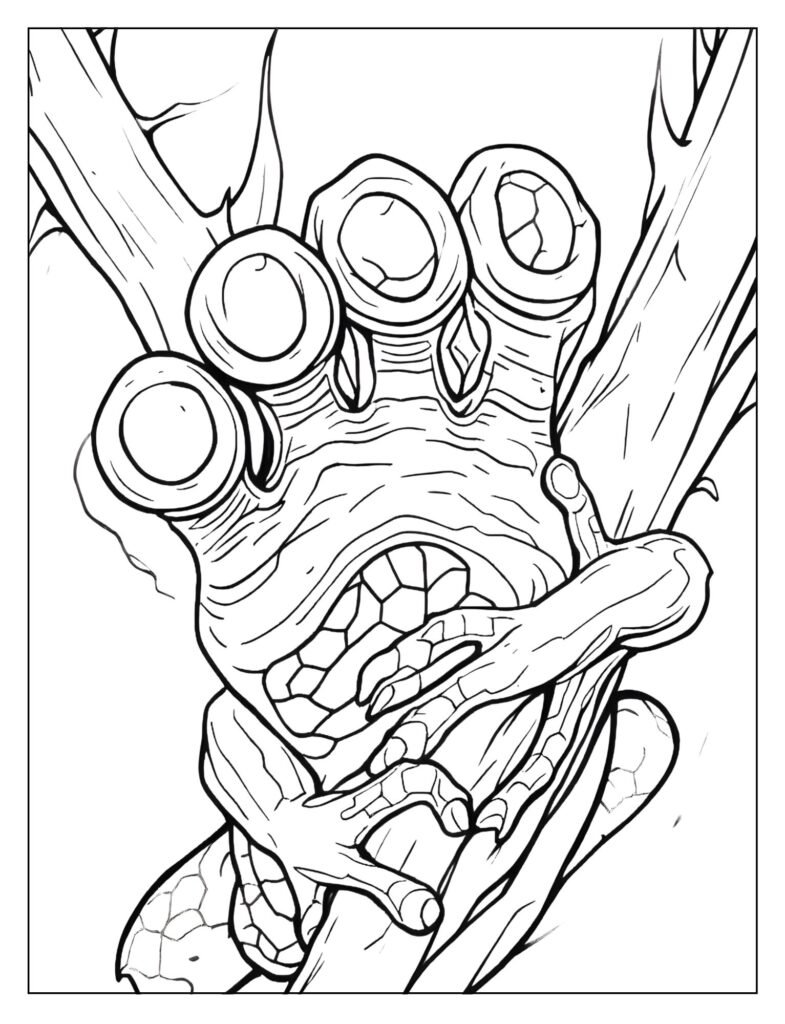
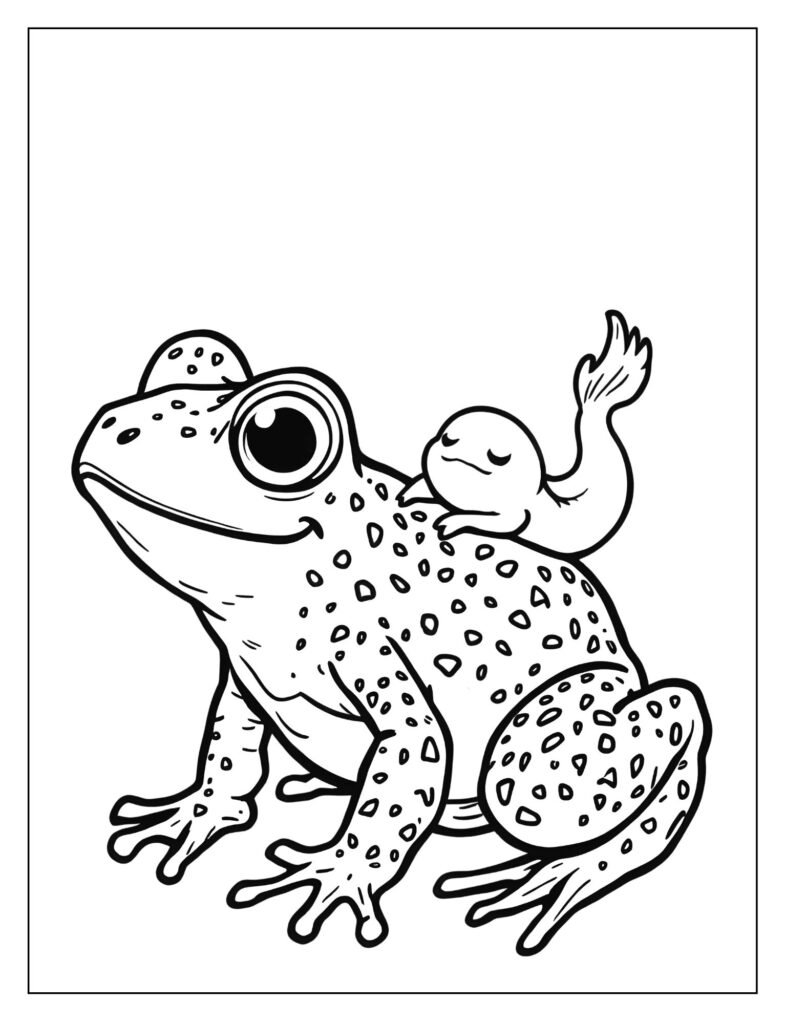
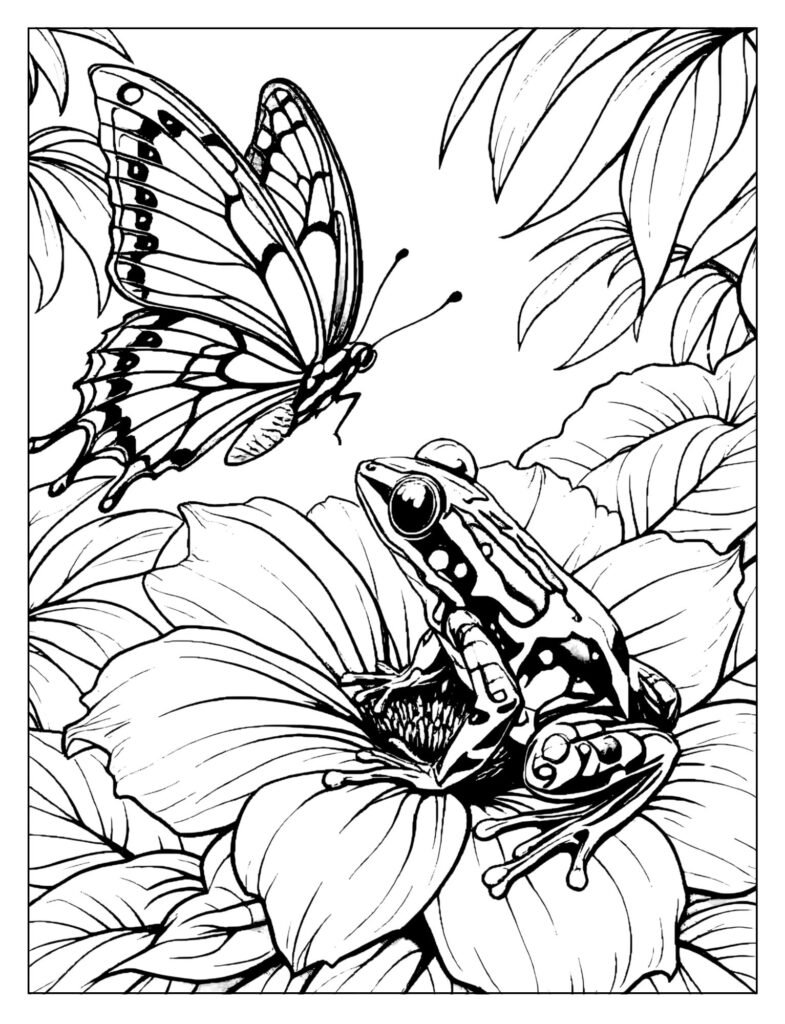
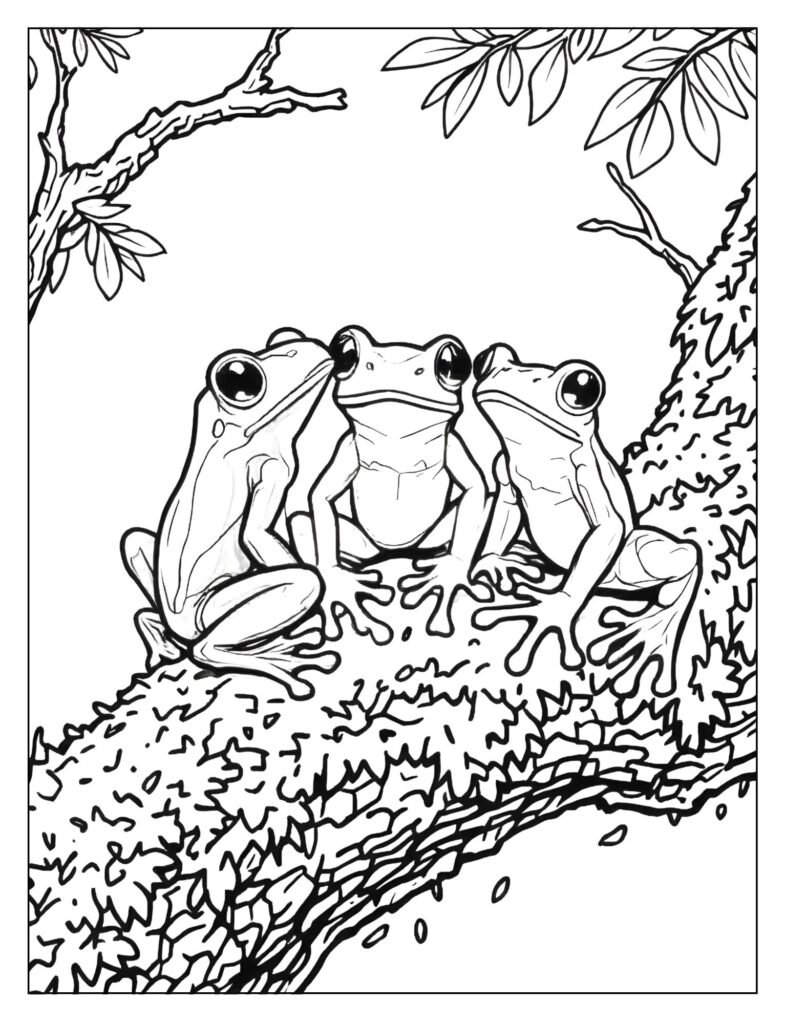
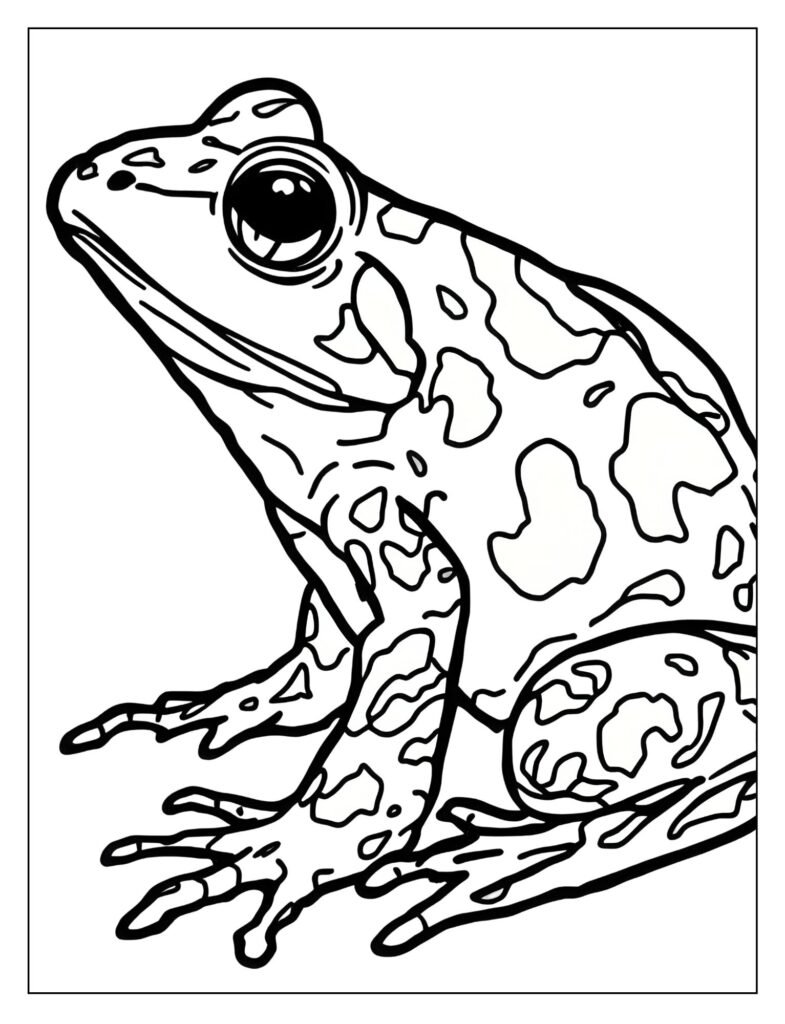
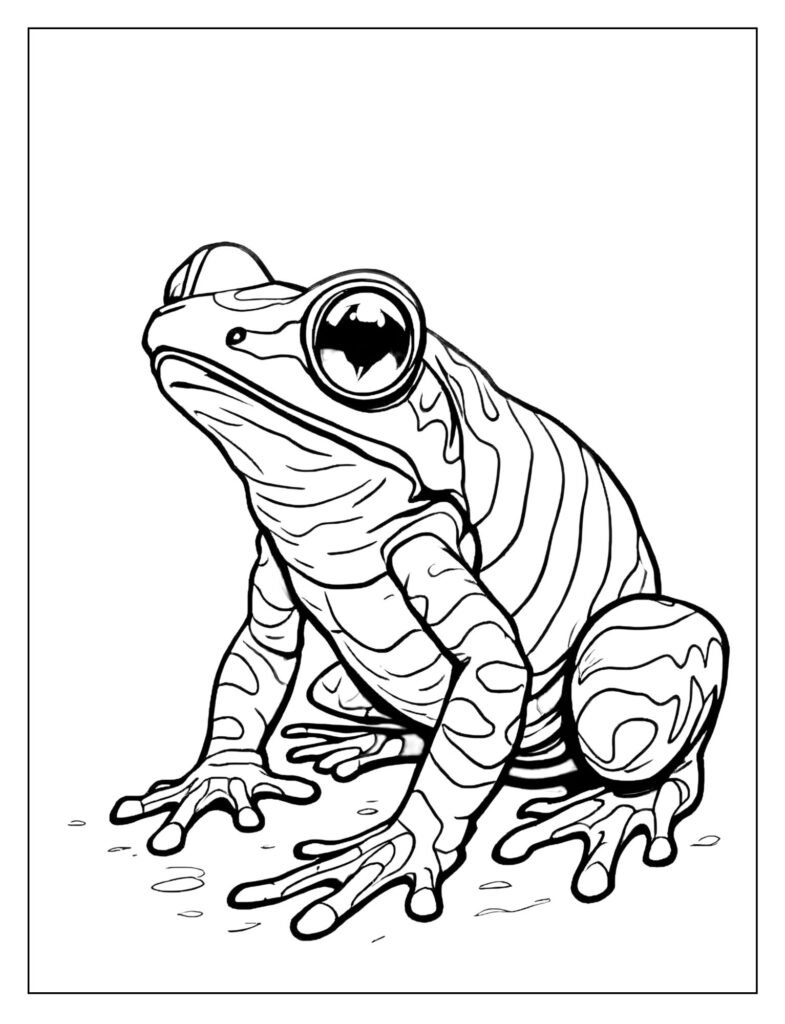
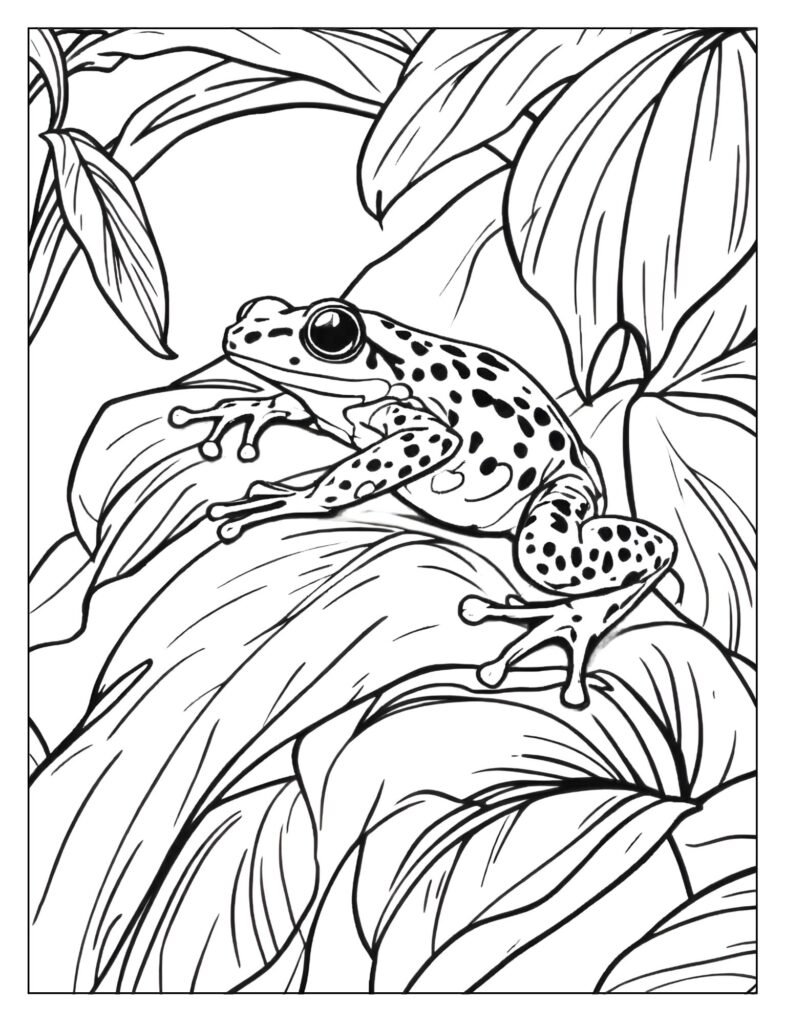
Poison dart frog coloring pages are some of the most exciting, vibrant, and visually stunning printables you can offer to kids, classrooms, or anyone who loves wildlife. These tiny rainforest frogs are known for their bright neon colors, unique markings, and unbelievable real-life adaptations—making them perfect subjects for creative coloring. Whether featured sitting on leaves, hopping across rainforest floors, or showing off their bold skins, poison dart frogs inspire imaginative play, fine-motor practice, and curiosity about the natural world.
These coloring pages also introduce kids to a truly remarkable animal species—one that teaches lessons about survival, biodiversity, ecosystems, and the role of color in nature. Plus, because poison dart frogs come in a huge rainbow of patterns, kids can be realistic or totally inventive. From neon blues and bright yellows to creative rainbow blends, these pages give room for self-expression and creativity.
Below, explore 10 fascinating facts and 10 creative DIY ideas, all designed to pair perfectly with poison dart frog coloring sheets and bring joy, learning, and rainforest magic to your activities.


10 Interesting Facts About Poison Dart Frogs
1. Poison Dart Frogs Are Some of the Most Colorful Animals on Earth
Poison dart frogs are famous for their incredibly bright colors—electric blue, neon yellow, deep red, orange, and even green. These vibrant hues make them the perfect stars of coloring pages. Kids can experiment with blending crayons, markers, or colored pencils to mimic real frogs or create their own imaginative color palette. In nature, a poison dart frog’s bold colors serve as a warning: “I am toxic—don’t eat me!” This concept, called aposematic coloration, is a great scientific fact to introduce through coloring activities.
2. Not All Poison Dart Frogs Are Actually Poisonous
Although they’re famous for their toxic skin, only a portion of poison dart frog species are harmful to humans. In captivity—where they eat safe foods—they lose their toxicity entirely. They need certain wild insects, like ants and mites, to develop their poison. This makes an excellent connection to ecological food chains and how diet affects animals. Coloring pages featuring healthy rainforest insects can help kids understand this relationship.
3. The Most Toxic Ones Come in the Brightest Colors
The golden poison dart frog is one of the most toxic animals on Earth—yet it is tiny and bright yellow. Some blue species are also extremely toxic. This connection between color and toxicity makes for a fun learning moment: the brightest frogs are often the most dangerous. When kids color these frogs with glowing neon tones, they are also learning about a survival strategy known as warning coloration.
4. Indigenous Tribes Once Used Their Toxins for Hunting
The name “poison dart frog” comes from a long tradition: Indigenous tribes in Central and South America used the frog’s toxins to tip their hunting darts. Only a few frog species were used for this purpose. Coloring pages depicting rainforest tribes, tools, or jungle hunters (kid-friendly, of course) create important cultural connections and spark learning about Indigenous history.
5. Poison Dart Frogs Live in Tropical Rainforests
These frogs are native to Central and South American rainforests. Their habitats are warm, humid, and filled with plant life—perfect inspiration for coloring backgrounds! Kids can draw leaves, vines, orchids, waterfalls, and dripping branches around their frogs. This teaches them how ecosystems depend on moisture, shade, and rich plant diversity.
6. They Are Diurnal—Active During the Day
Unlike many frogs that are active at night, poison dart frogs move around during the day. This makes them easier to observe, and their coloring pages often show them wide awake, climbing, and exploring. Kids can color daytime scenes and learn about animal behavior—who is nocturnal, diurnal, or crepuscular.
7. They Are Excellent Climbers
Even though they are frogs, many species spend much of their time climbing on leaves, branches, or mossy logs. Coloring pages showing poison dart frogs perched on leaves encourage kids to explore rainforest layers: forest floor, understory, and canopy. This also builds understanding of animal adaptations like sticky toes and lightweight bodies.
8. They Lay Eggs on Land but Raise Tadpoles in Water
One of the coolest poison dart frog facts is their parenting style. Parents lay eggs on leaves, and once the tadpoles hatch, they carry them—one at a time—on their backs to small pools of water. Some species use water-filled bromeliad plants as mini nurseries. This makes for adorable coloring sheets showing parent frogs caring for their babies.
9. There Are Over 175 Species of Poison Dart Frogs
With so many species, patterns, and environments, these frogs offer unlimited coloring possibilities. Some are striped, some spotted, some marbled, and some smooth. Kids can explore dozens of designs and mix them with nature backgrounds, making the coloring experience always fresh and exciting.
10. Their Bright Colors Inspire Artists Worldwide
Poison dart frogs appear in paintings, murals, educational books, and even fashion prints. Their bold skins make them popular subjects for children’s books and wildlife art. Coloring pages continue that tradition—letting kids become artists themselves, experimenting with bold color choices, blending techniques, and rainforest-inspired creativity.
10 DIY Ideas Using Poison Dart Frog Coloring Pages
1. DIY Rainforest Diorama
After coloring a frog page, kids can cut out their frog and glue it into a shoebox rainforest. Add green paper leaves, string vines, moss, and raindrop stickers. The result is a 3D rainforest scene featuring their vibrantly colored frog. This makes an amazing classroom display.
2. Tropical Leaf Mobile
Turn coloring pages into hanging art! Kids color several frogs, cut them out, and attach them to strands of yarn. Hang them from a painted cardboard branch to create a rainforest mobile. This project teaches balance, design, and spatial awareness.
3. Poison Dart Frog Storybook
Children can color different frogs and then write a short story on the back of each page. Bind the pages into a booklet. Kids can name their frogs, create adventures, and learn narrative structure while expressing creativity.
4. Rainforest Science Poster
Turn a coloring page into a learning display. Kids color a frog and mount it on poster board along with labels: species name, habitat, diet, size, and special adaptations. This project reinforces science vocabulary and research skills.
5. Frog-Themed Classroom Door Display
Teachers can assign each student a unique poison dart frog coloring page. After coloring, students cut them out and arrange them on a large “Welcome to Our Rainforest” door banner. The display becomes a cheerful, colorful entryway.
6. DIY Frog Puppets
Attach colored frogs to craft sticks to turn them into puppets. Kids can create puppet shows, act out rainforest stories, or even recreate the life cycle from egg to frog. Puppets encourage imaginative play and public speaking skills.
7. Rainforest Sun Catchers
Trace frogs onto transparent plastic or laminating sheets and color them with washable markers. When sunlight shines through, the bright colors glow—just like the frogs’ real neon skins. Hang them in windows for a beautiful display.
8. Interactive Life Cycle Wheel
Kids color a frog for the center of the wheel, then color tadpoles, eggs, and froglets for the rotating part. Assemble with a brad in the center. This hands-on craft helps children learn scientific sequencing and reinforces biology concepts.
9. DIY Frog Habitat Play Mat
Let kids color frogs while parents cut a giant sheet of green felt into a rainforest floor. Add felt leaves, puddles, and “logs.” Kids place their colored frog cutouts on the mat for pretend play—ideal for sensory learning stations.
10. Rainforest Bookmark Collection
Print narrow frog-themed coloring strips or cut sections from full pages. After coloring, laminate each one. Punch a hole at the top and add ribbon. These vibrant bookmarks encourage reading and add a splash of rainforest flair.
Final Thoughts
Poison dart frog coloring pages are more than simple printables—they are gateways to science, creativity, and hands-on exploration. Their bright, glowing colors naturally attract children, while their fascinating life cycle, rainforest habitat, and unique adaptations turn each coloring page into a learning adventure. These pages seamlessly combine art with education, helping kids understand ecology, biodiversity, color theory, and even cultural history.
Whether you use them in a classroom, homeschool, art lesson, science unit, or simple rainy-day activity, poison dart frog pages provide endless opportunities for skill-building. Fine motor movement, hand–eye coordination, storytelling, problem-solving, and imaginative thinking all come to life as kids experiment with color and patterns. Their vivid neon tones make them some of the most visually exciting animals to color, and the DIY projects add a layer of enrichment that transforms each sheet into something memorable.
From mobiles and dioramas to storybooks and science posters, these coloring pages become tools for engagement and creativity. They also encourage curiosity about nature—helping kids fall in love with rainforests, understand ecosystems, and appreciate the beauty of Earth’s most colorful creatures.
With poison dart frog coloring pages, kids don’t just color—they explore, create, learn, and grow.
![15 Snow Leopard Coloring Pages [ Free PDF Printables ]](https://freentable.com/wp-content/uploads/Snow-Leopard-Coloring-Pages-2-768x432.jpg)